
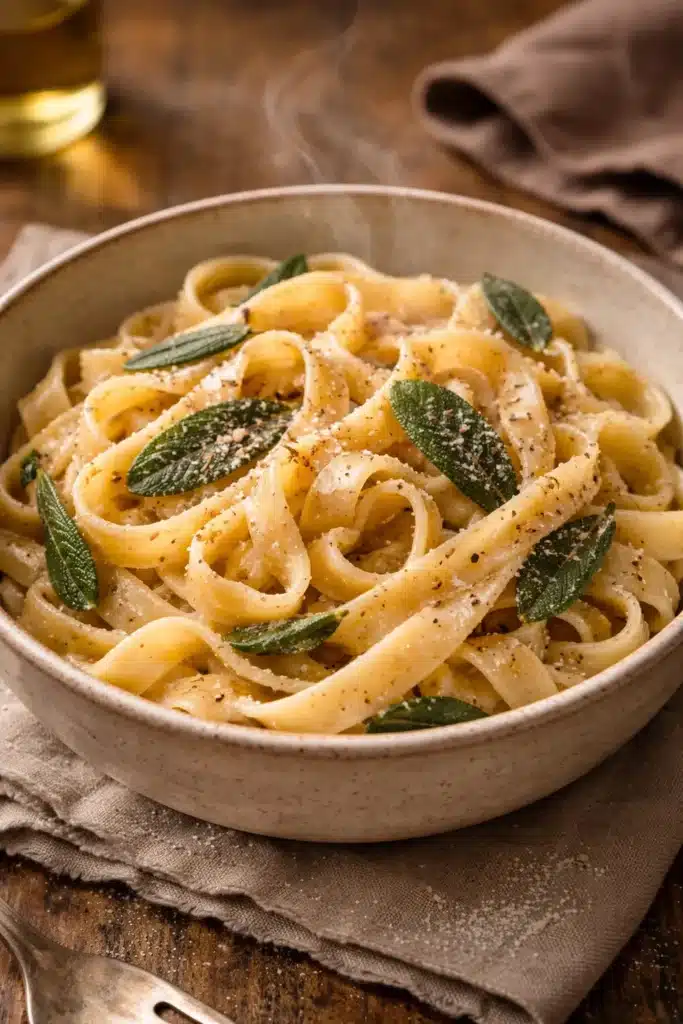
My grandmother made pasta every Sunday. I can still see her hands moving across the floured board, rolling the dough thin and straight, folding it, cutting it into ribbons. That smell — eggs and flour and something warm — is one of the most comforting things I know. When I went gluten free, I thought those Sunday pasta nights were gone forever. They are not. This recipe brought them back.
This gelatin gluten free pasta dough recipe is the one that finally gave me back my Sunday pasta. It rolls thin without cracking. It holds together in boiling water. It has that gentle chew that makes pasta feel like pasta and not something sad and falling apart on the plate. The secret is one teaspoon of unflavored gelatin, and it changes everything.
I know how discouraging it can be to try recipe after recipe and end up with something that just does not feel right. This gelatin gluten free pasta dough is different — and I say that as someone who spent months testing every variation I could think of before landing on this one.
I want you to be able to make this gelatin gluten free pasta dough and feel that same warmth I feel every time I roll it out — the feeling that comfort food is still yours, just made a little differently.
The gelatin trick pasta dough changes everything about homemade gluten free pasta. Let me show you exactly how.
Before you start, I recommend reading the complete gelatin trick gluten free guide — it explains the science behind the technique in a way that will make every step here make sense.
Table of Contents
Table of Contents
Why This Gelatin Gluten Free Pasta Dough Works
When I first started making gluten free pasta, I could not understand why it kept falling apart. The dough would crack at the edges when I rolled it. The pasta would disintegrate in the boiling water. I tried different flour blends, different egg ratios, different resting times. Nothing worked consistently.
The problem was structural. Traditional pasta dough works because gluten forms an elastic network when flour and eggs are worked together. That network is what lets you roll the dough thin and what keeps the pasta intact when it hits boiling water. Without gluten, that network simply does not form. The gelatin gluten free pasta dough method solves this by using unflavored gelatin to rebuild that network from scratch.
Gelatin is derived from collagen — the protein found in animal bones and connective tissue. When dissolved in liquid and worked into dough, it forms its own flexible, elastic structure that behaves remarkably like gluten. The gelatin trick pasta dough texture is soft, slightly elastic, and strong enough to roll thin, cut into shapes, and cook without falling apart. It is the closest thing to real pasta I have ever made without wheat.
If you want to see the same technique produce something completely different, try it in gelatin gluten free pizza dough for a stretchy crust, or in gelatin gluten free bread for a soft sandwich loaf that actually holds together.
Is Gelatin Safe in Gluten Free Pasta Dough?
Yes — and I want to reassure you on this completely. Pure unflavored gelatin in gluten free pasta dough is entirely gluten free. It contains no wheat, barley, rye, or any gluten protein. According to the FDA collagen and gelatin guidelines, pure gelatin is a safe, natural ingredient with no connection to gluten whatsoever.
If you or someone in your family has celiac disease, look for a brand that is produced in a dedicated gluten free facility. Knox Unflavored Gelatin, Vital Proteins, and Great Lakes Grass-Fed Gelatin are all trusted choices in the gluten free community.
Olivia’s note: I always keep a box of unflavored gelatin in my pantry now. It has quietly become one of my most-used baking ingredients — not just for pasta, but for bread and biscuits too. Once you see what it does to dough, you will understand why.
Gelatin Gluten Free Pasta Dough — Homemade
Ingredients
Method
- Step 1 — Bloom the Gelatin
- Add 1 tsp gelatin to 2 tbsp warm water.
- Stir gently, rest 5 minutes until spongy.
- Step 2 — Combine Eggs and Gelatin
- Melt bloomed gelatin 10 sec microwave.
- Whisk eggs, egg yolk, olive oil together.
- Add liquid gelatin, whisk until combined.
- Step 3 — Form the Dough
- Whisk rice flour, tapioca starch, potato
- starch, and salt. Make a well in center.
- Pour egg mixture in. Mix then knead
- 2-3 minutes until smooth and pliable.
- Step 4 — Rest
- Wrap in plastic wrap. Rest 30 minutes
- at room temperature.
- Step 5 — Roll and Cut
- Divide into 4 portions. Roll each to
- 1/16 inch on rice-floured surface.
- Cut into desired shape.
- Step 6 — Cook
- Boil in salted water 2-4 minutes.
- Taste at 2 minutes. Reserve pasta water
- before draining.
Notes
– Do not use commercial GF flour blend
— use custom flour blend in recipe
– Roll slowly and rotate frequently
– Cook fresh pasta same day for best texture
– Freeze cut pasta up to 2 months
– Vegan: use 3 flax eggs + 3/4 tsp agar agar
Gelatin Gluten Free Pasta Dough — Ingredients
For the Dough
Here is everything your gelatin gluten free pasta dough needs to come together beautifully:
- 1 teaspoon unflavored gelatin powder (Knox, Vital Proteins, or Great Lakes)
- 2 tablespoons warm water — for blooming the gelatin
- 2 large eggs, room temperature
- 1 egg yolk, room temperature — adds richness and color
- 1 cup fine white rice flour
- 1/2 cup tapioca starch
- 1/4 cup potato starch
- 1/2 teaspoon fine sea salt
- 1 tablespoon olive oil
- 1–2 tablespoons warm water — added gradually as needed
For something sweet, the technique works beautifully in a flaky gelatin gluten free pie crust — and if you want to understand exactly why gelatin beats xanthan gum in savory recipes, read our gelatin vs xanthan gum guide.
Ingredient Notes
The Flour Blend — Why It Matters for Gelatin Gluten Free Pasta Dough
For gelatin gluten free pasta dough, the flour blend makes a significant difference. Fine white rice flour gives the pasta its smooth texture. Tapioca starch adds elasticity and a silky bite. Potato starch helps the dough hold together without becoming dense. This combination, alongside the gelatin, gives you pasta that behaves like the real thing.
Do not use a commercial all-purpose gluten free blend for this recipe. Most blends contain xanthan gum which, combined with gelatin, can make the dough too dense and rubbery. The custom blend above gives you more control and a much better result.
Room Temperature Eggs
Cold eggs make the dough more difficult to bring together and can prevent the gelatin from distributing evenly. Take your eggs out of the refrigerator 30 minutes before you begin. This small step makes the dough noticeably smoother and easier to work with.
Olive Oil
A tablespoon of olive oil adds tenderness to the dough and prevents it from drying out during the resting period. It also gives the pasta a subtle richness that makes it feel more indulgent than it actually is.
How to Make Gelatin Gluten Free Pasta Dough — Step by Step
Step 1: Bloom the Gelatin
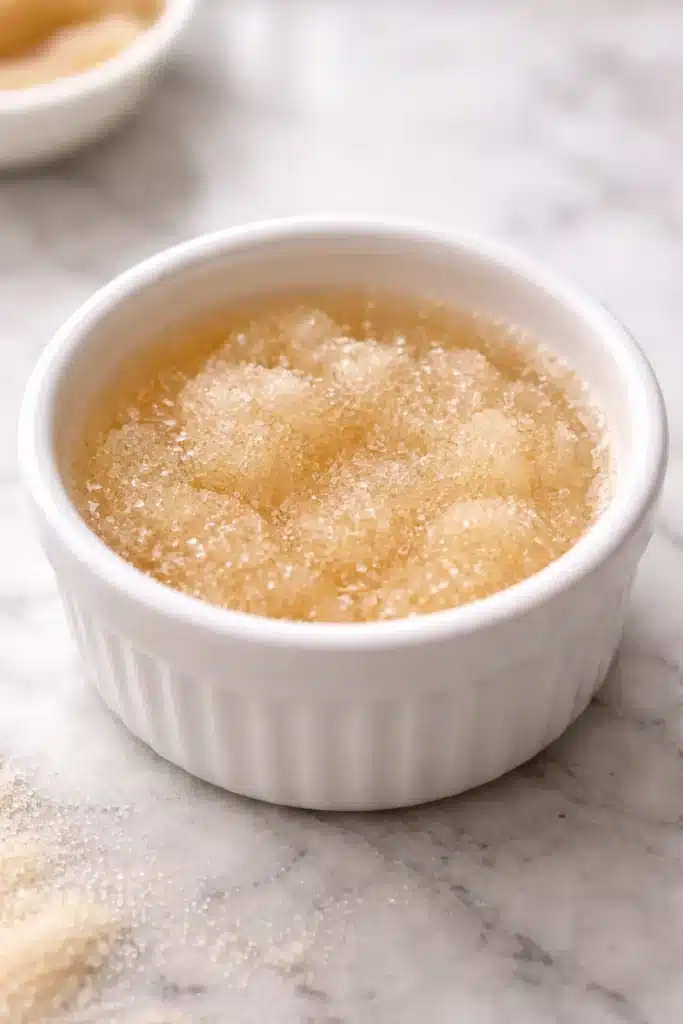
Measure 1 teaspoon of unflavored gelatin into a small bowl. Add 2 tablespoons of warm (not hot) water. Stir very gently just to combine, then leave completely undisturbed for 5 minutes. This is the blooming step, and it is where the magic begins for your gelatin for gluten free pasta dough. The gelatin will absorb all the water and transform into a firm, spongy, translucent mass.
Olivia’s tip: I bloom the gelatin while I bring my eggs to room temperature. Both happen at the same time, and by the time I have measured my flours, everything is ready. The recipe has a lovely rhythm to it once you get used to it.
Step 2: Combine the Eggs and Gelatin
Warm the bloomed gelatin gently — 10 seconds in the microwave, or set the bowl in warm water for a minute — until it is fully liquid and just slightly warm. In a medium bowl, whisk together the eggs, egg yolk, and olive oil. Add the liquid gelatin and whisk again until fully combined. This gelatin gluten free pasta dough egg mixture is the wet foundation of the dough, and getting the gelatin fully incorporated here is what guarantees an even texture throughout.
Step 3: Bring the Dough Together
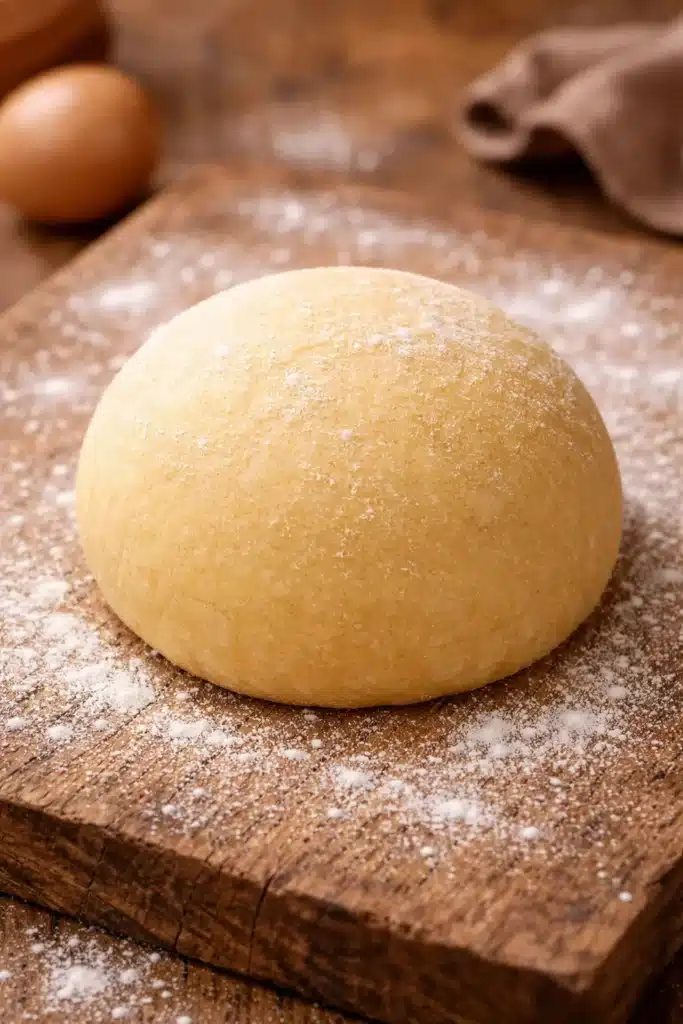
In a large bowl, whisk together the rice flour, tapioca starch, potato starch, and salt. Make a well in the center. Pour the egg and gelatin mixture into the well and begin mixing with a fork, gradually drawing the flour in from the sides. Once the dough starts coming together, use your hands. The gelatin gluten free pasta dough should feel soft, smooth, and pliable — not crumbly, not sticky. If it feels too dry, add warm water one tablespoon at a time.
Knead the dough gently for 2 to 3 minutes until it is completely smooth. It will not have the same springiness as wheat pasta dough, but it should feel cohesive and hold its shape when pressed.
Step 4: Rest the Dough
Wrap the dough tightly in plastic wrap and let it rest at room temperature for 30 minutes. This resting period is essential for the gelatin trick pasta dough. It allows the starches to fully hydrate, the gelatin network to begin setting, and the dough to relax — making it significantly easier to roll thin without cracking.
Olivia’s tip: I use the resting time to make my sauce. By the time the dough is ready, the sauce is simmering on the stove, the kitchen smells incredible, and everything comes together at once. This is how Sunday pasta is supposed to feel.
Step 5: Roll and Cut the Pasta
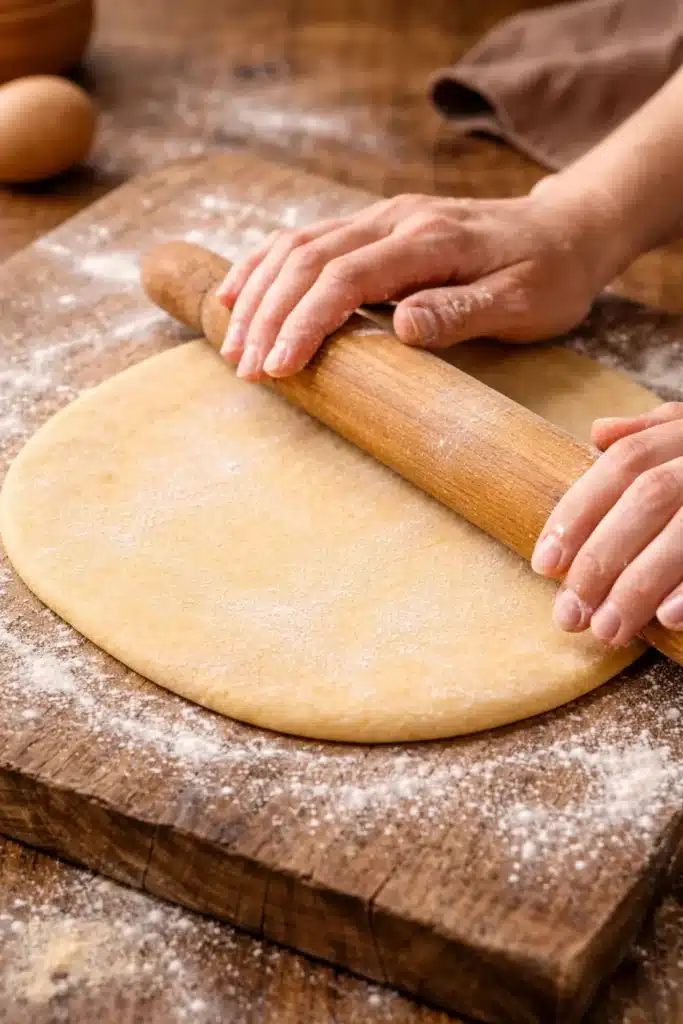
Divide the rested dough into four equal portions. Work with one portion at a time, keeping the others wrapped. On a lightly rice-floured surface, roll the gelatin gluten free pasta dough from the center outward, rotating frequently, until it is about 1/16 inch thick. The dough should roll smoothly without cracking at the edges — this is the gelatin doing its work.
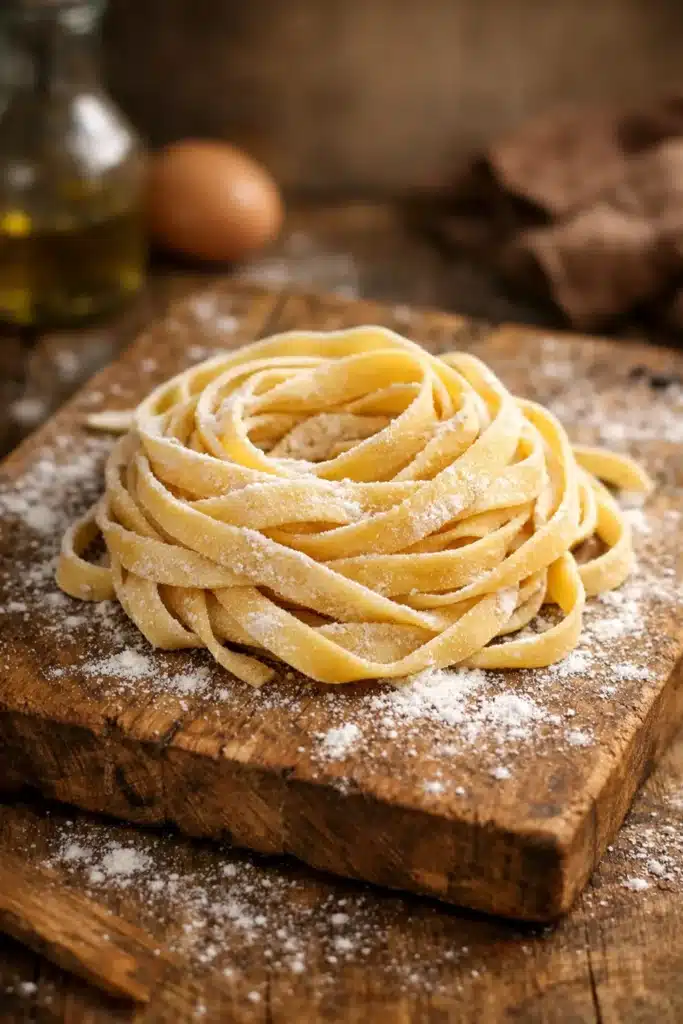
Use a sharp knife or a pasta cutter to cut the rolled dough into your desired shape. For fettuccine, fold the sheet loosely and cut into 1/4 inch ribbons. For lasagna, cut into large rectangles. For pappardelle, cut into wide, generous strips. Dust the cut pasta lightly with rice flour and set aside on a floured surface or hang to dry slightly.
Step 6: Cook the Pasta
Bring a large pot of generously salted water to a rolling boil. Add the pasta and cook for 2 to 3 minutes for thin cuts, or 3 to 4 minutes for thicker cuts. The gelatin gluten free pasta dough in boiling water holds together beautifully — you will not see it falling apart or turning to mush the way some gluten free pastas do. Taste it at 2 minutes to check for doneness. It should be tender but with a gentle bite.
Reserve 1/2 cup of pasta cooking water before draining. This starchy water is your best friend for bringing sauces together — add it gradually to loosen any sauce that feels too thick.
Best Pasta Shapes for Gelatin Gluten Free Pasta Dough
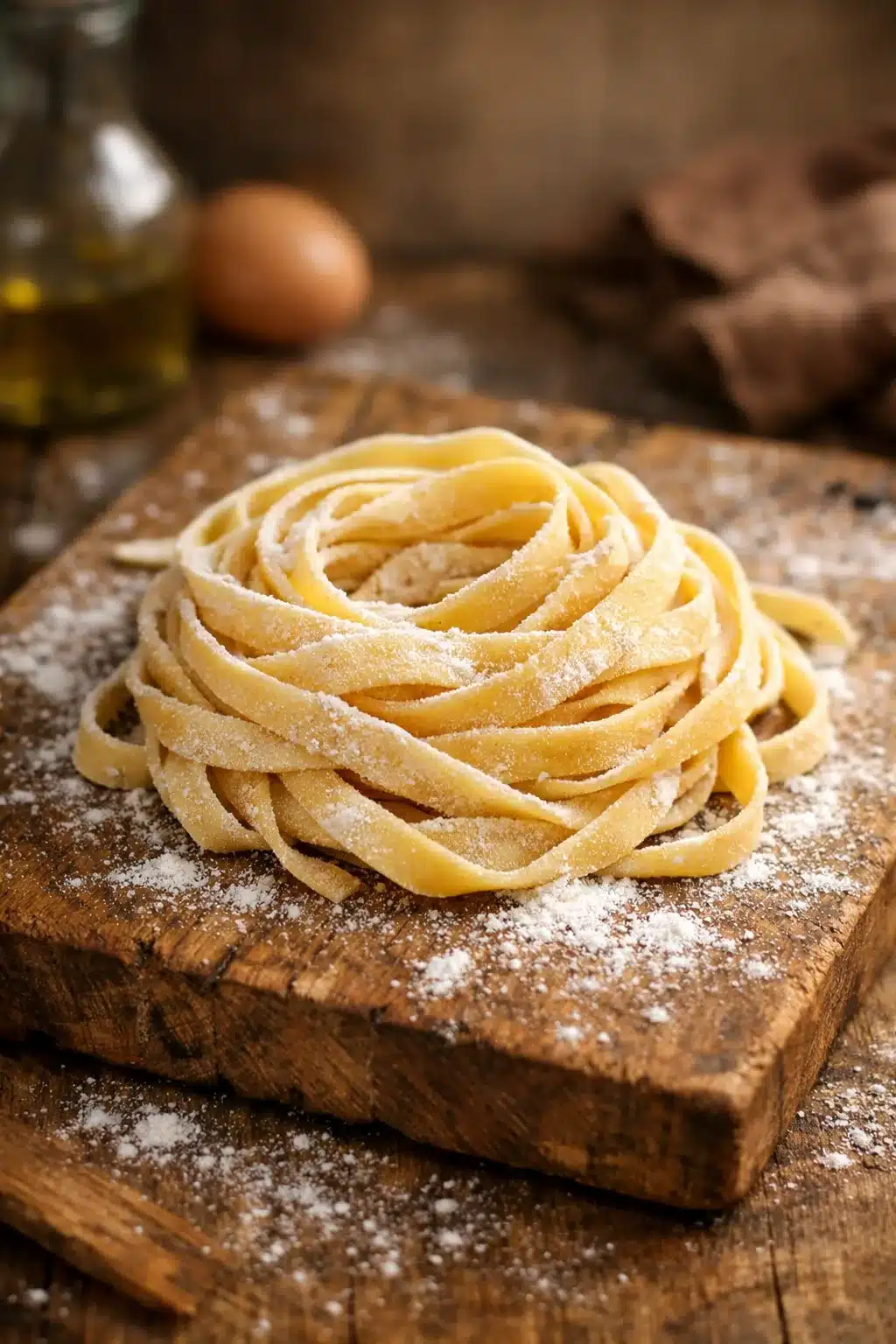
This gelatin gluten free pasta dough fettuccine cut is my personal favorite — wide enough to catch a rich sauce but delicate enough to feel light on the plate. Here are the shapes that work best with this dough:
- Fettuccine — 1/4 inch ribbons, pairs beautifully with creamy sauces and butter
- Pappardelle — wide, rustic strips that feel generous and comforting
- Lasagna sheets — large rectangles for layered baked pasta
- Tagliatelle — slightly thinner than fettuccine, lovely with meat ragu
- Maltagliati — irregular torn pieces, rustic and forgiving to cut
For stuffed pastas like ravioli or tortellini, rest the dough for 45 minutes instead of 30 and work with smaller portions. The gelatin gives the dough enough strength to hold fillings without tearing.
Best Sauces for Gelatin Gluten Free Pasta Dough
The silky texture of this gelatin trick pasta dough pairs beautifully with sauces that have some body and warmth. Here are my favorites:
- Brown butter and sage — simple, quick, and deeply comforting
- Slow-cooked tomato and basil — the kind of sauce that has been simmering all afternoon
- Creamy mushroom sauce — earthy and rich, perfect for fettuccine
- Classic bolognese — a Sunday sauce that deserves homemade pasta
- Lemon butter with capers — bright and fresh for a lighter meal
All of these sauces are naturally gluten free — just check any store-bought stock or broth you use to confirm there are no hidden gluten-containing additives.
Olivia’s Tips for Perfect Gelatin Gluten Free Pasta Dough
After making this gelatin gluten free pasta dough more times than I can count, here are the things that make the biggest difference:
- Always use room temperature eggs — cold eggs make the dough harder to work with and affect gelatin distribution
- Roll slowly and rotate frequently — for the gelatin trick pasta dough rolling step, patience gives you a more even sheet
- Flour your surface lightly with rice flour — not too much or the pasta will dry out and crack
- Cook the pasta the same day you make it for the best texture — freshly made gluten free pasta is significantly better than refrigerated
- Reserve pasta water — the starchy liquid is essential for emulsifying sauces and brings everything together
- Do not overcook — gluten free pasta goes from perfect to mushy faster than wheat pasta. Taste at 2 minutes and pull it when it still has a slight bite
Storing Your Gelatin Gluten Free Pasta Dough
Uncooked Dough
Wrap tightly in plastic wrap and refrigerate for up to 24 hours. The dough will be firmer when cold — let it sit at room temperature for 15 minutes before rolling.
Fresh Cut Pasta
To freeze gelatin gluten free pasta dough after cutting, lay the pasta in single-layer nests on a floured baking sheet. Freeze until solid — about 1 hour — then transfer to a freezer bag. Stores well for up to 2 months. Cook directly from frozen, adding 1 to 2 minutes to the cooking time. The gelatin holds the pasta structure through freezing and thawing beautifully.
Cooked Pasta
Toss cooked pasta with a little olive oil to prevent sticking, let cool, and refrigerate in an airtight container for up to 2 days. Reheat gently in a pan with a splash of water or directly in your warm sauce.
Gelatin Gluten Free Pasta Dough — FAQs
Can I make gelatin gluten free pasta dough ahead of time?
Yes. The uncooked dough keeps in the refrigerator for up to 24 hours. You can also cut and freeze the pasta for up to 2 months. Fresh-rolled pasta is best, but the make-ahead options work well for busy weeknights.
Why is my gluten free pasta dough cracking when I roll it?
Cracking usually means the dough is too dry or has not rested long enough. Make sure you rested it for a full 30 minutes, and if it still cracks, work in warm water one teaspoon at a time until the dough becomes smooth and pliable. Also check that your gelatin was fully bloomed and melted before being added to the eggs.
Can I make gelatin gluten free pasta dough without eggs?
Eggs are an important structural component in this dough, but you can experiment with egg replacers. Flax eggs (1 tablespoon ground flaxseed + 3 tablespoons water per egg, rested 5 minutes) work reasonably well. The dough will be slightly more fragile, so roll it thicker and handle gently. The gelatin still provides significant structural support even without eggs.
Can I use this dough in a pasta machine?
Yes, with care. Start at the widest setting and work down gradually, stopping at setting 5 or 6 for most shapes. The gelatin gives the dough enough strength to go through a pasta machine without tearing, but do not push it too thin on the first pass — fold and run it through twice at each setting for a smoother result.
Does this pasta dough taste different from regular pasta?
The gelatin has no flavor at the amounts used in this recipe. The pasta tastes like pasta — eggy, slightly wheaty from the rice flour, and deeply satisfying. The texture is what surprises people most: it has a real, gentle chew that most gluten free pasta completely lacks.
A Note from Olivia
Making pasta from scratch is one of those cooking rituals that slows everything down in the best possible way. The rolling, the cutting, the smell of eggs and flour — it is meditative and warm and deeply satisfying. Going gluten free does not have to mean giving that up. This dough gave me back something I thought I had lost, and I hope it does the same for you.
Every gelatin gluten free pasta dough recipe I develop at The Savory Hearth is tested in my home kitchen, made for real families, and written to be as approachable and reassuring as I can make it. If something is not working for you, please leave a comment below. I read every single one, and I will help you troubleshoot.
Wishing you a warm kitchen and a beautiful pasta night. — Olivia Carter
Warm regards. — Olivia Carter, The Savory Hearth