
If you’ve been cooking gluten-free meals for a while, you’ve probably asked yourself: what is beef tallow and is it gluten-free? The short answer is yes—beef tallow is naturally gluten free. But there’s more to it than that. In this guide, I’ll break it down in simple terms so you can actually use it in your kitchen without guessing. You’ll learn what beef tallow is, how it’s made, and why many home cooks are bringing it back. If you want a reliable cooking fat that works for frying, roasting, and everyday meals, this is worth knowing.
If you’re exploring simple gluten-free cooking fats, beef tallow is one of the easiest to start with. Looking for inspiration? Try Beef Tallow Gluten Free Fried Chicken for a crispy, practical recipe that shows exactly how this fat works in real cooking.
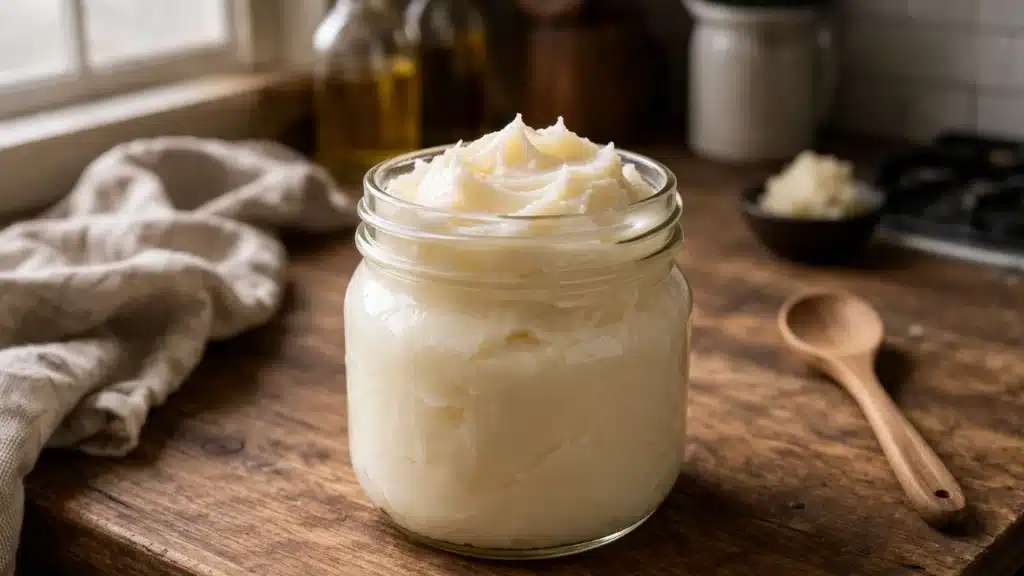
Table of Contents
Table of Contents
What Is Beef Tallow and Is It Gluten-Free Basics
What Is Beef Tallow Made From (Rendered Fat Explained)
Beef tallow is rendered beef fat. In simple terms, that means raw beef fat gets heated slowly until it melts. After that, you strain it and let it cool. What remains is a clean, solid cooking fat.
At room temperature, beef tallow looks firm, a lot like butter or shortening. Once heated, it melts into a smooth liquid that works very well for cooking.
The good news is simple. Beef tallow does not come from wheat, barley, or rye. It comes from beef fat only. Because of that, it starts out naturally gluten free.
Many older home kitchens used beef tallow all the time. It was common for frying, roasting, and even for adding rich flavor to simple meals. Today, people are using it again because it is stable at high heat and easy to make at home.
Is Beef Tallow Gluten Free and Safe for Gluten-Free Diets
Yes, beef tallow is gluten free in its pure form. Since it comes from animal fat, it does not contain gluten on its own. That makes it a practical choice for people who follow a gluten-free diet.
Still, there is one thing to watch. Pure homemade beef tallow is usually the safest option. On the other hand, some packaged versions may include added flavorings or extra ingredients. So, always check the label if you buy it from a store.
Here’s a simple table:
| Situation | Is It Safe? |
|---|---|
| Homemade beef tallow | Yes, naturally gluten free |
| Store-bought pure beef tallow | Usually yes, but check the label |
| Flavored or processed beef tallow | Maybe, depends on added ingredients |
So, if you want the simplest answer to what is beef tallow and is it gluten-free, here it is: pure beef tallow is naturally gluten free and works well in a gluten-free kitchen.
How Beef Tallow Is Made at Home (Step-by-Step)
Beef Tallow (Gluten-Free Cooking Fat)
Ingredients
Method
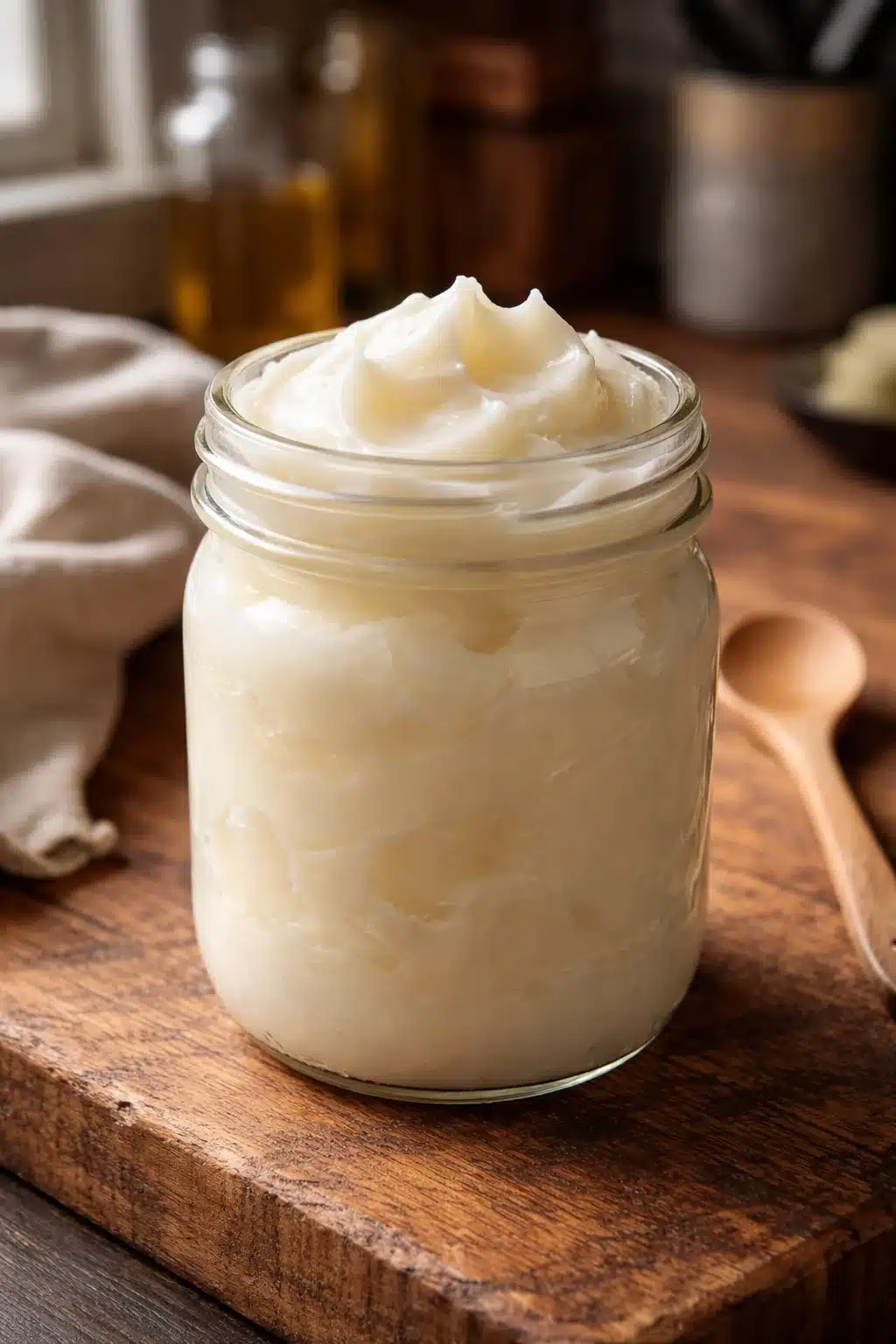
- Cut the beef fat into small pieces or grind it.
- Place the fat in a pot or slow cooker.
- Heat on low for 2 to 4 hours.
- Stir occasionally while the fat melts.
- Strain the liquid through a fine strainer or cheesecloth.
- Pour into a jar and let it cool until solid.
Notes
- Always use low heat to avoid burning
- Store in a glass jar for best results
- Keep refrigerated for longer shelf life
- Beef tallow is naturally gluten free
How to Render Beef Fat Into Beef Tallow
If you’re wondering what is beef tallow and is it gluten-free, making it yourself is the easiest way to stay sure. You control everything, and you avoid any hidden ingredients.
Rendering beef fat sounds technical, but it’s actually simple. You just melt the fat slowly and separate the pure oil from the solids.
Here’s the basic process:
| Step | What You Do |
|---|---|
| 1 | Cut beef fat into small pieces (or ask your butcher to grind it) |
| 2 | Place it in a pot or slow cooker |
| 3 | Heat it on low, no rushing |
| 4 | Let the fat melt slowly (this can take 2–4 hours) |
| 5 | Strain the liquid through a fine strainer or cheesecloth |
| 6 | Let it cool until it becomes solid |
That’s it. No complicated tools. No special ingredients.
The result is clean, white or slightly yellow fat that stores well and works in almost any recipe.
Simple Method to Make Beef Tallow in Your Kitchen
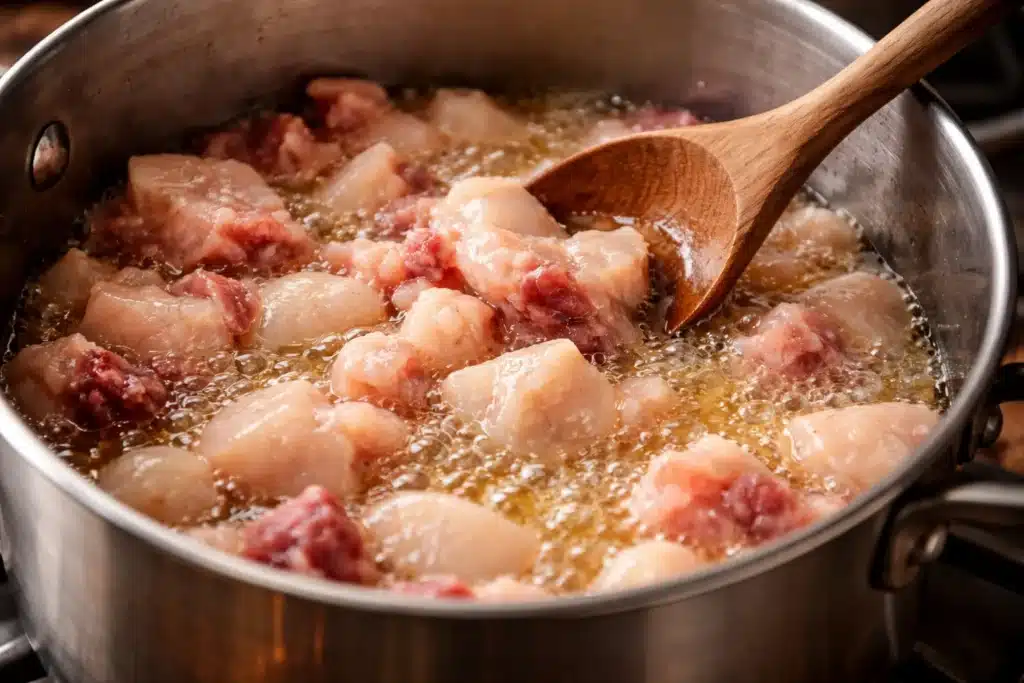
If you want the easiest method, use a slow cooker. It saves time and avoids burning the fat.
Here’s the no-fuss approach I use:
- Add chopped beef fat to the slow cooker
- Set it to low heat
- Leave the lid slightly open to release moisture
- Stir once in a while, but don’t overdo it
- After a few hours, strain and store
That’s all you need.
Also, keep these practical tips in mind:
| Tip | Why It Matters |
|---|---|
| Use low heat only | High heat can burn the fat and ruin the taste |
| Cut fat into small pieces | Helps it melt faster and evenly |
| Don’t add water | It slows the process and affects texture |
| Store in glass jars | Keeps it fresh longer |
Once finished, you’ll have a solid cooking fat that’s clean, stable, and ready to use.
And yes, homemade tallow answers the question “is beef tallow gluten free” with full confidence—because you made it yourself.
Beef Tallow Benefits for Cooking and Health
Key Beef Tallow Benefits for Everyday Cooking
Now that you know what is beef tallow and is it gluten-free, let’s talk about why people actually use it.
Beef tallow isn’t just an old-school fat. It works really well in a modern kitchen, especially if you cook at home often.
Here are the main benefits:
| Benefit | Why It Helps in Cooking |
|---|---|
| High smoke point | Great for frying without burning |
| Rich flavor | Adds depth to simple dishes |
| Stable fat | Doesn’t break down easily at high heat |
| Long shelf life | Stores well without going bad quickly |
| Naturally gluten free | Safe for gluten-free meals |
Because of its high smoke point, beef tallow is perfect for frying foods like chicken, potatoes, or even vegetables. It holds up better than many vegetable oils.
Also, it gives food a deeper, more satisfying taste. You’ll notice it right away, especially in fried or roasted dishes.
That’s one reason traditional recipes used it so often.
Is Beef Tallow Healthy Compared to Modern Oils
This is where things get a bit more practical.
People often ask: is beef tallow healthy? The answer depends on how you use it.
Beef tallow is made mostly of saturated and monounsaturated fats. These fats are stable, which means they don’t break down easily when heated.
Here’s a simple comparison:
| Fat Type | Stability for Cooking | Common Source |
|---|---|---|
| Saturated fats | Very stable | Beef tallow, butter |
| Monounsaturated fats | Stable | Olive oil |
| Polyunsaturated fats | Less stable | Vegetable oils |
So, when you cook at high heat, beef tallow can actually be a better choice than many processed oils.
However, balance still matters. You don’t need to use it for everything. Just use it where it makes sense—like frying or roasting.
If you’re trying to eat cleaner, switching from heavily processed oils to simple fats like beef tallow can be a practical step.
And again, for gluten-free cooking, it’s a reliable option. No guessing, no hidden ingredients.
Beef tallow works especially well for crispy recipes. Discover great ideas like Gluten Free Chicken Tenders if you want a simple, reliable way to use it for frying.
How to Use Beef Tallow in Cooking
Cooking With Beef Tallow for Frying and Roasting
Now that you understand what is beef tallow and is it gluten-free, let’s make it useful. This is where beef tallow really shines.
Beef tallow works best in high-heat cooking. It stays stable, doesn’t burn easily, and gives food a rich, classic flavor.
Here are the most common ways to use it:
| Cooking Method | How to Use Beef Tallow |
|---|---|
| Frying | Heat and use like oil for chicken, fries, or veggies |
| Roasting | Toss vegetables or meat with melted tallow before baking |
| Sautéing | Use a small amount for cooking onions, garlic, or meats |
| Pan-searing | Great for steaks and burgers |
For frying, just melt a few tablespoons in your pan. Once hot, cook your food the same way you would with oil.
For roasting, coat your potatoes or vegetables with melted tallow before putting them in the oven. You’ll get a crisp outside and soft inside.
Best Foods to Cook Using Beef Tallow at Home
Beef tallow pairs best with simple, hearty foods. You don’t need complicated recipes to see the difference.
Here are some easy ideas:
| Food | Why It Works Well |
|---|---|
| French fries | Crisp texture and rich flavor |
| Fried chicken | Golden crust and juicy inside |
| Roasted potatoes | Crunchy outside, soft center |
| Steak | Better sear and deeper taste |
| Vegetables | Adds flavor without extra seasoning |
If you’re cooking gluten-free meals, beef tallow makes things easier. You don’t have to worry about hidden ingredients like you might with some processed oils.
Also, a small amount goes a long way. You don’t need to overload your pan.
One more tip: start simple. Try it with potatoes or chicken first. Once you get used to it, you’ll naturally find more ways to use it.
And yes, this ties back to the main question—is beef tallow gluten free? Absolutely. That’s why it fits so easily into everyday cooking.
If you’re making comfort food, beef tallow pairs perfectly with classic sides. Check out Gluten Free Biscuits to serve with gravy-based meals.
Beef Tallow vs Butter and Other Fats
Beef Tallow vs Butter: Which Is Better for Cooking
Once you understand what is beef tallow and is it gluten-free, the next question is simple: should you use it instead of butter?
Both are solid fats. Both are gluten free. But they work differently in the kitchen.
Here’s a direct comparison:
| Feature | Beef Tallow | Butter |
|---|---|---|
| Smoke point | High | Medium |
| Flavor | Rich, savory | Creamy, slightly sweet |
| Best use | Frying, roasting | Baking, low-heat cooking |
| Stability | Very stable | Can burn faster |
| Gluten free | Yes | Yes |
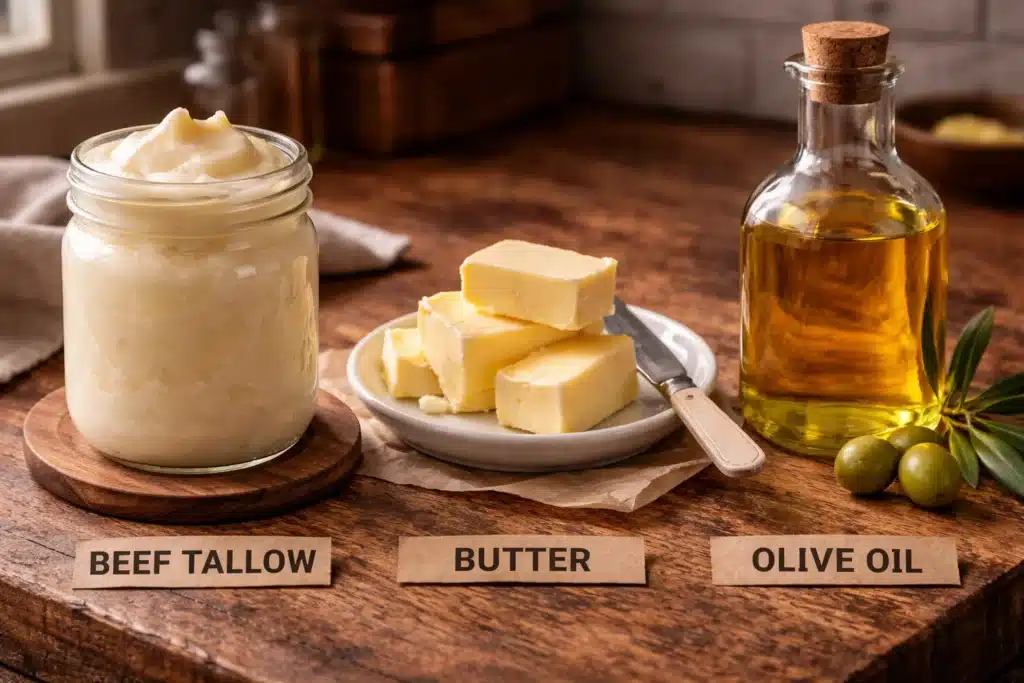
So, if you’re frying or cooking at high heat, beef tallow is the better choice. It won’t burn as quickly, and it gives a deeper flavor.
On the other hand, butter works better for baking or when you want that classic creamy taste.
In a practical kitchen, you don’t need to pick one. You just use each where it makes sense.

Beef Tallow vs Olive Oil and Vegetable Oils
Now let’s compare beef tallow with common liquid oils.
This is where things get more interesting, especially for everyday cooking.
| Fat Type | Heat Stability | Processing Level | Common Use |
|---|---|---|---|
| Beef tallow | Very high | Minimal (if homemade) | Frying, roasting |
| Olive oil | Medium to high | Low | Salads, light cooking |
| Vegetable oil | Medium | Highly processed | Frying, general use |
Beef tallow stands out because it’s simple and stable. It doesn’t break down easily under heat.
Vegetable oils, on the other hand, are often heavily processed. They can work, but they don’t always hold up as well at high temperatures.
Olive oil is a good middle option. It’s great for low to medium heat and adds a lighter flavor.
So, which one should you use?
- Use beef tallow for frying and crispy results
- Use butter for flavor and baking
- Use olive oil for lighter cooking
That’s the practical way to look at it.
And again, if your goal is gluten-free cooking, beef tallow remains one of the simplest choices. No labels to decode, no hidden ingredients
When replacing butter or oil, beef tallow can work in many recipes. Don’t miss our Gluten Free Pancakes, where you can swap fats for different textures and results.
Is Beef Tallow Healthy or Harmful?
When Beef Tallow Is Good for Your Diet
By now, you understand what is beef tallow and is it gluten-free, but health is what really matters for daily use.
Beef tallow can be a good option when you use it the right way. It’s a natural fat, and it doesn’t go through heavy processing like many vegetable oils.
Here’s when it makes sense to use it:
| Situation | Why Beef Tallow Works Well |
|---|---|
| High-heat cooking | It stays stable and doesn’t break down easily |
| Simple ingredient diets | No additives or hidden ingredients |
| Gluten-free cooking | Naturally gluten free and reliable |
| Traditional cooking | Works well in classic recipes |
Because it’s stable, beef tallow doesn’t oxidize as quickly when heated. That’s one reason many home cooks prefer it for frying.
Also, if you’re trying to avoid highly processed oils, beef tallow is a straightforward choice.
That said, balance is key. You don’t need to use it for every meal. Just use it where it actually adds value.
Why Some People Avoid Beef Tallow Today
Even though beef tallow has benefits, some people still choose to limit it. The main reason is its fat content.
Beef tallow is high in saturated fat. For years, this type of fat was linked to heart health concerns. That’s why many people switched to vegetable oils in the past.
Here’s a simple breakdown:
| Concern | What It Means |
|---|---|
| High saturated fat | Should be used in moderation |
| Calorie dense | Easy to overuse if not careful |
| Not ideal for every dish | Better for specific cooking methods |
So, why avoid it?
- If you already eat a lot of fatty foods
- If you need to follow a low-fat diet
- If you prefer lighter cooking options
However, many people today are going back to traditional fats like beef tallow because they are less processed.
The key is simple: use it smartly, not excessively.
And once again, for gluten-free cooking, it remains one of the safest and most predictable fats you can use.
Storage, Shelf Life, and Safety Tips
How to Store Beef Tallow Properly
Once you’ve made or bought beef tallow, storing it the right way matters. Good storage keeps it fresh, safe, and ready to use anytime.
The good news is simple: beef tallow is naturally stable. Still, you should follow a few basic rules.
Here’s how to store it:
| Storage Method | What to Do |
|---|---|
| Room temperature | Keep in a sealed jar, away from heat and light |
| Refrigerator | Store in an airtight container for longer freshness |
| Freezer | Freeze in portions for long-term storage |
For most home kitchens, storing it in a glass jar with a tight lid works well. Just keep it in a cool, dark place.
If your kitchen gets warm, it’s better to store it in the fridge. That helps it last longer and keeps the quality consistent.
How Long Beef Tallow Lasts and Signs of Spoilage
Beef tallow lasts longer than many other fats, especially if you store it properly.
Here’s a quick guide:
| Storage Type | Shelf Life |
|---|---|
| Room temperature | Up to 3 months |
| Refrigerator | 6 to 12 months |
| Freezer | Up to 1 year or more |
Even though it lasts a long time, you should still check it before using.
Watch for these signs:
- Strong or sour smell
- Change in color (darker than usual)
- Unusual texture or mold
If you notice any of these, it’s better to throw it away.
Otherwise, good beef tallow stays firm, light in color, and smells clean.
And again, if you’re asking what is beef tallow and is it gluten-free, storage doesn’t change that. As long as it stays pure and uncontaminated, it remains gluten free.
Common Questions About Beef Tallow (FAQ Section)
Is Beef Tallow Actually Good for You?
Yes, beef tallow can be good for you when used in moderation. It’s a natural fat that doesn’t go through heavy processing. Because it stays stable at high heat, it works well for frying and roasting. However, since it’s high in saturated fat, you should use it as part of a balanced diet, not as your only fat source.
Why Was Beef Tallow Banned in the US?
Beef tallow was never officially “banned,” but its use dropped a lot in the late 20th century. At that time, many health guidelines warned against saturated fats. As a result, restaurants and food companies switched to vegetable oils. For example, fast food chains like McDonald’s moved away from beef tallow to plant-based oils.
Today, opinions are more balanced, and many home cooks are using beef tallow again.
Is Beef Tallow Healthier Than Butter?
Beef tallow and butter are quite similar. Both contain saturated fats and are naturally gluten free. However, beef tallow has a higher smoke point, which makes it better for high-heat cooking like frying.
Butter, on the other hand, works better for baking and lower heat cooking. So instead of choosing one as “healthier,” it’s more practical to use each for its best purpose.
Is Beef Tallow Healthier Than Olive Oil?
It depends on how you use it. Olive oil contains more monounsaturated fats and is often used for lighter cooking or salads. Beef tallow is more stable at high temperatures.
So:
Use olive oil for low to medium heat
Use beef tallow for high heat cooking
Both can fit into a balanced diet.
What Is the Unhealthiest Oil to Cook With?
Many experts suggest avoiding highly processed oils that break down easily at high heat. Some refined vegetable oils fall into this category because they can become unstable when overheated.
Instead, many home cooks prefer more stable options like beef tallow, butter, or certain unrefined oils for better cooking results.
Why Avoid Beef Tallow?
Some people choose to avoid beef tallow because it is high in saturated fat and calories. If someone follows a low-fat diet or needs to manage certain health conditions, they may limit its use.
Also, if overused, any fat—including beef tallow—can lead to excess calorie intake. That’s why moderation matters.
Conclusion
So, what is beef tallow and is it gluten-free? It’s a simple, traditional cooking fat made from rendered beef fat, and yes—it is naturally gluten free.
If you want a reliable option for frying, roasting, and everyday cooking, beef tallow is a practical choice. It’s easy to make, easy to store, and works well in a gluten-free kitchen.
Just keep it simple. Use it where it fits best, balance it with other fats, and you’ll get consistent results without overthinking it.
If you want to see the full power of cooking with beef tallow, learn more about Beef Tallow Gluten Free Fried Chicken and try it at home.
Follow us on Facebook & Pinterest for more gluten-free dessert ideas and community fun!