
Gluten free pumpkin cake has always held a special place in my heart. Growing up, I can still picture myself in my grandmother’s cozy kitchen, standing on a little stool and watching her carefully fold pumpkin puree into the batter. The smell of cinnamon and nutmeg filled the air, and that first bite of soft, spiced cake felt like the taste of autumn itself. Years later, I’ve found joy in recreating that memory with a version that’s not only comforting but also gluten free.
What makes gluten free pumpkin cake so inviting is the way pumpkin puree naturally adds moisture and softness to the crumb. Unlike many gluten-free desserts that can turn out dry, this cake bakes up fluffy, rich, and full of flavor. Each slice offers a balance of warm spices and tender texture that feels perfect for fall gatherings, holiday tables, or even a quiet afternoon treat with coffee.
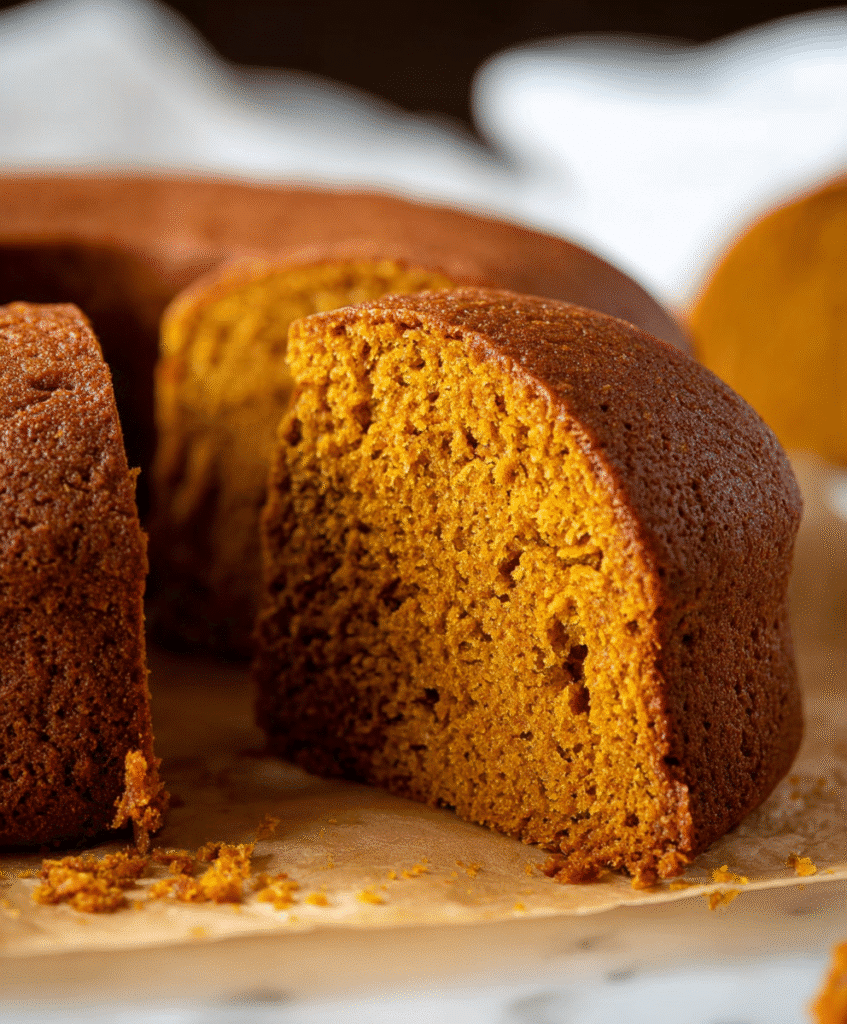
This recipe shows how gluten free pumpkin cake can be just as moist and indulgent as the traditional kind. With the right blend of flours, a few baking tricks, and simple ingredients, you’ll have a dessert that no one will guess is gluten free. And if you’re
If you love seasonal desserts, don’t miss our easy gluten free pumpkin pie for another fall classic.
Table of Contents
Table of Contents
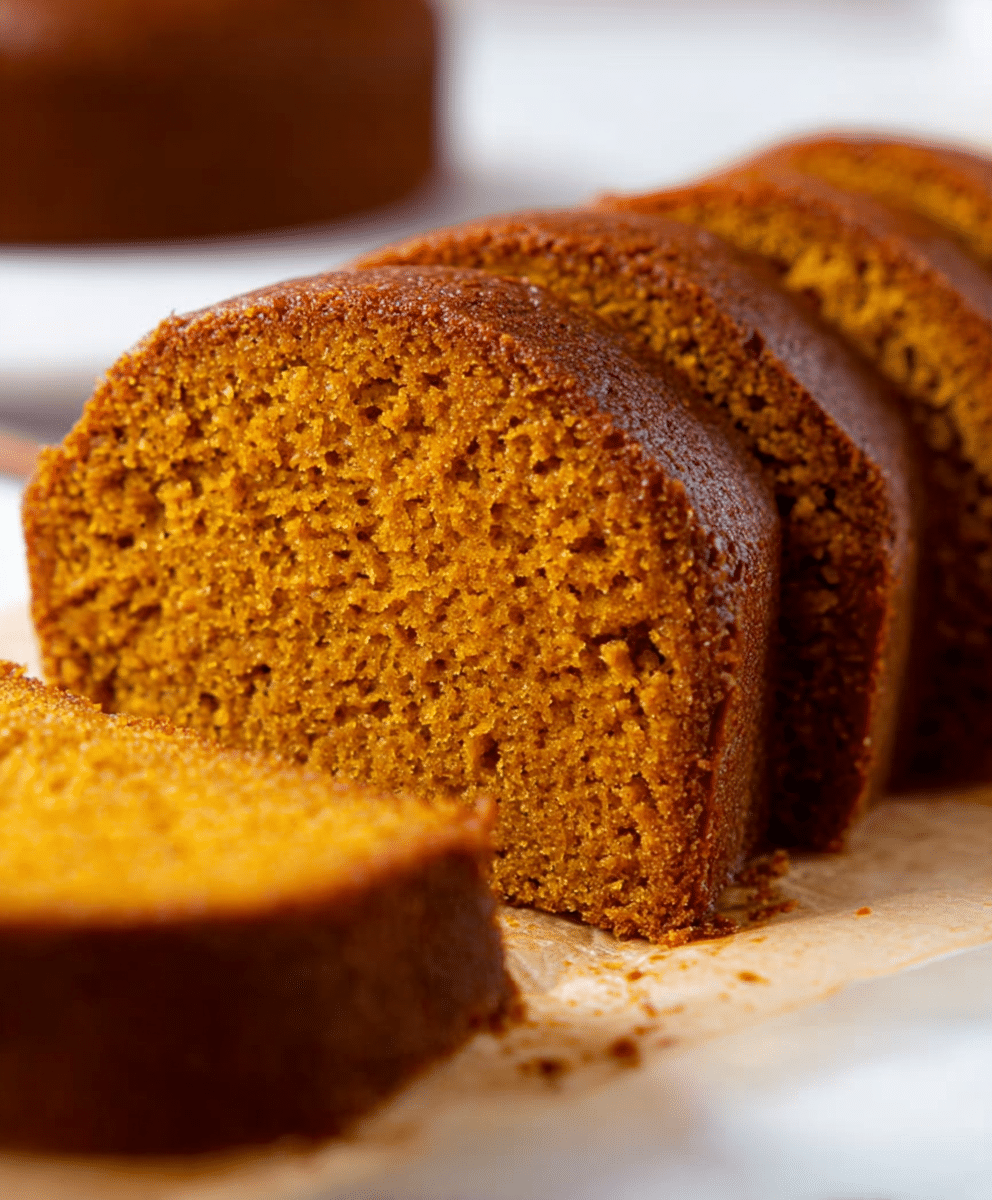
Gluten Free Pumpkin Cake – Moist & Fluffy Fall Dessert
Ingredients
Equipment
Method
- Preheat oven to 350°F (175°C) and grease a 9×9 inch or bundt pan.
- Whisk together gluten-free flour, baking powder, baking soda, spices, and salt in a large bowl.
- In another bowl, beat pumpkin puree, eggs, sugar, oil, and milk until smooth.
- Add dry ingredients into wet mixture and stir until just combined. Do not overmix.
- Let the batter rest for 10 minutes to hydrate the flours.
- Pour batter into the prepared pan and bake 30–35 minutes, or until a toothpick inserted comes out clean.
- Cool cake in the pan for 10 minutes, then transfer to a wire rack.
- Serve plain, dusted with powdered sugar, or topped with cream cheese frosting.
Nutrition
Notes
- For dairy-free, swap the milk with almond or oat milk.
- For vegan, replace eggs with flax eggs (1 tbsp flaxseed meal + 3 tbsp water per egg).
- Store leftovers in an airtight container for 3 days, refrigerate up to 5 days, or freeze for up to 2 months.
Tried this recipe?
Let us know how it was!Why Gluten Free Pumpkin Cake Stands Out
A dessert full of comfort and flavor
A warm slice of gluten free pumpkin cake feels like fall in every bite. The sweetness of pumpkin blends perfectly with spices such as cinnamon, nutmeg, and ginger, creating a flavor that is both cozy and rich. Unlike many gluten-free desserts that can feel dry or heavy, this cake bakes up soft, moist, and satisfying. It’s the kind of dessert that can brighten a family gathering or serve as a simple weekend treat with coffee.
Discover great ideas like our gluten-free chocolate cupcakes if you enjoy rich, sweet flavors with a tender crumb.
The role pumpkin plays in gluten-free baking
Pumpkin does more than add seasonal flavor—it plays a crucial role in texture. In gluten-free baking, where cakes sometimes lack structure, pumpkin puree steps in to provide natural fiber and moisture. This balance prevents crumbling and keeps the crumb tender. When combined with the right flour blend, pumpkin transforms the recipe into a cake that tastes indulgent and holds its shape beautifully, making it a reliable choice for gluten-free bakers.
Choosing the Right Flours for Pumpkin Cake
Blends that deliver soft, bakery-style results
The flour blend is the backbone of any gluten free pumpkin cake. A well-balanced mix ensures the cake turns out moist rather than dry or crumbly. Many bakers rely on combinations of rice flour, sorghum flour, and starches like tapioca or potato. Together, these create a structure that mimics traditional wheat flour while staying light on the palate. Using a blend that already includes a stabilizer such as xanthan gum makes the process even easier, helping the batter bind and bake evenly.
For another reliable base recipe, check out our gluten-free sourdough bread that’s airy yet structured.
Simple substitutes for all-purpose flour
If you prefer a straightforward option, go with a gluten-free all-purpose baking blend. These 1:1 mixes are designed to replace wheat flour cup for cup, which takes the guesswork out of baking. Popular choices like King Arthur Measure for Measure and Bob’s Red Mill 1-to-1 produce consistently soft cakes that rise beautifully. When used in a gluten free pumpkin cake, these blends create a fluffy crumb that tastes just as good as the version you may remember from childhood.
Tricks for Successful Gluten Free Baking
Creating the perfect texture
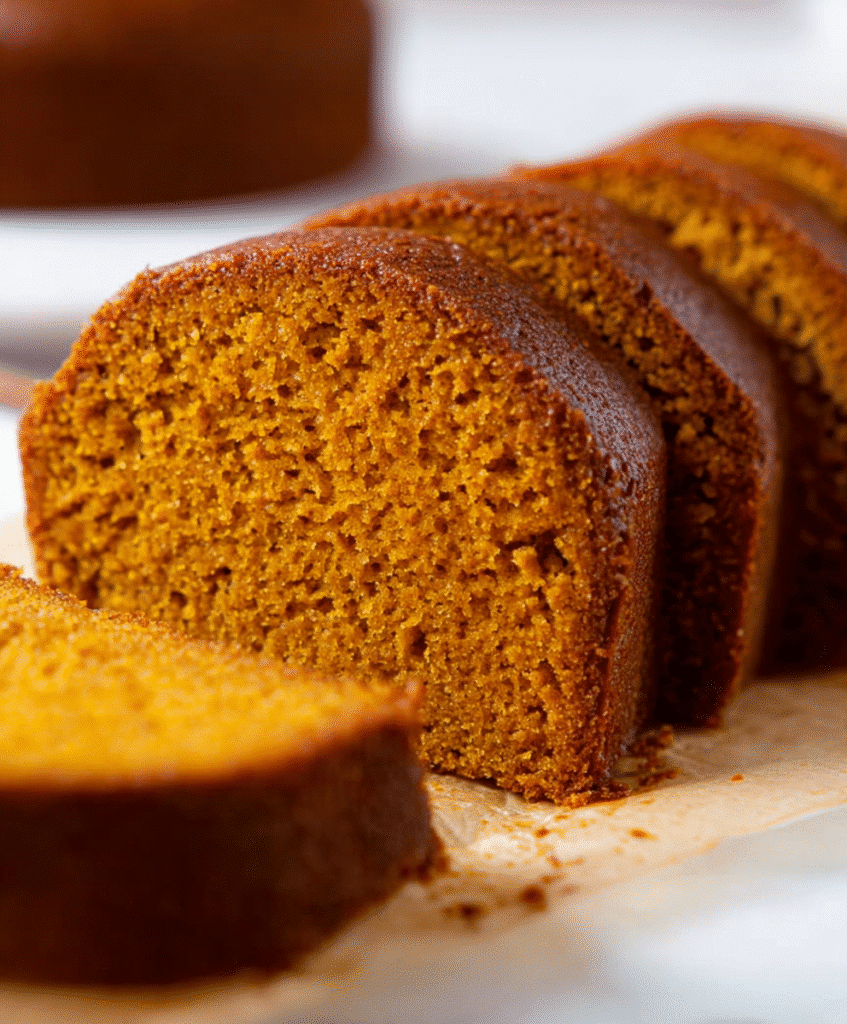
One of the biggest challenges in gluten-free baking is getting the right texture, but a few smart steps can change everything. When preparing a gluten free pumpkin cake, weigh your flours instead of scooping them. This ensures consistency and prevents the batter from turning out too heavy. Allowing the batter to rest for about 10 minutes before baking gives the flours time to absorb liquid, which leads to a smoother crumb. Pumpkin puree, eggs, and a pinch of xanthan gum also work together to create structure and hold in moisture, making every bite soft and tender.
Looking for inspiration? Try our easy 4-ingredient gluten free biscuits for a simple yet fluffy bake.
Helping the cake rise beautifully
Fluffiness sets apart a good cake from a great one. For your gluten free pumpkin cake to rise properly, start with a balanced amount of baking powder and baking soda. Pair them with an acidic ingredient, such as buttermilk or apple cider vinegar, to activate the lift fully. Beating eggs until frothy introduces extra air, which the batter traps and expands in the oven. Finally, stir the mixture gently once the dry and wet ingredients are combined. This preserves the air bubbles you’ve created, giving the finished cake a light and airy crumb.
Pumpkin Puree and Other Key Ingredients
Fresh vs. canned pumpkin puree
The star of any gluten free pumpkin cake is the puree, and choosing the right one matters. Canned pumpkin puree is the most convenient option because it’s consistent in texture and moisture. It saves time and delivers reliable results every time. Fresh pumpkin puree can also work beautifully, but it often holds more water. If you go the fresh route, strain the puree well to avoid a soggy batter. Both choices bring that earthy sweetness and vibrant color that make pumpkin cake such a seasonal favorite.
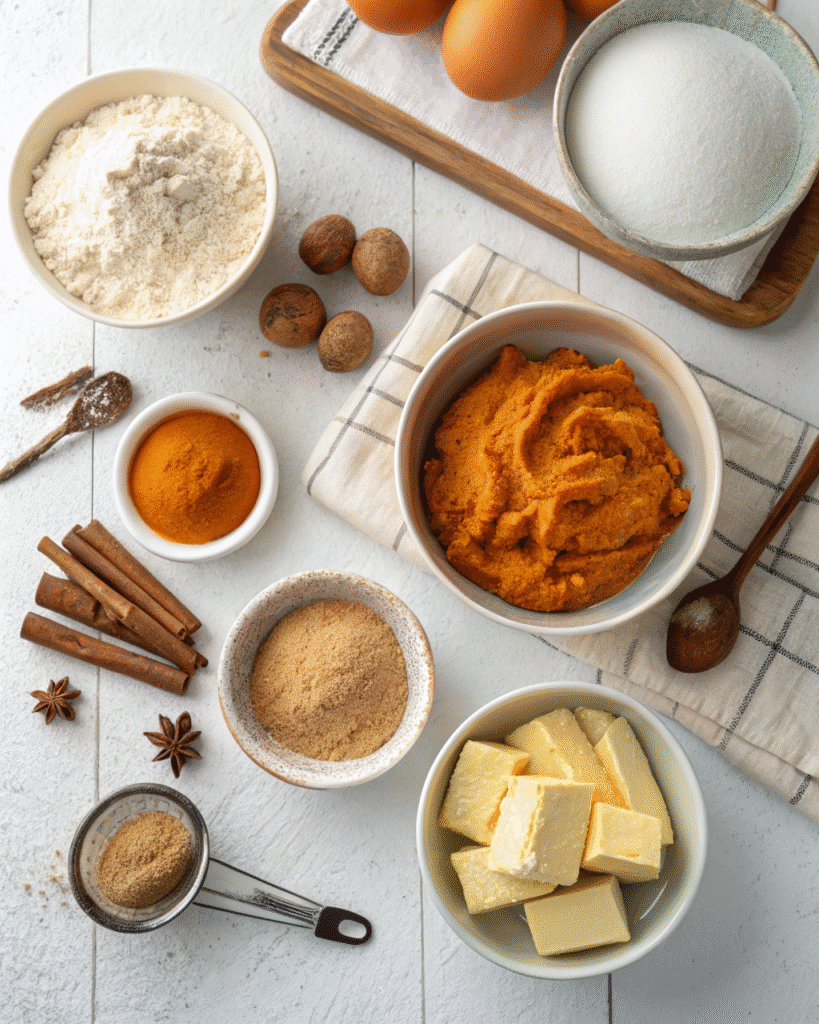
Spices and binders that complete the recipe
Pumpkin’s natural flavor truly shines when paired with warming spices. Cinnamon, nutmeg, ginger, and cloves add depth and balance to the cake’s sweetness. These spices are essential for creating the familiar fall flavor we all love. Just as important are binders like eggs and a small amount of xanthan gum or psyllium husk. In gluten-free baking, they help hold everything together, ensuring your gluten free pumpkin cake slices cleanly and stays moist. Together, the pumpkin and spices create a dessert that feels both nostalgic and indulgent.
Step-by-Step Gluten Free Pumpkin Cake Recipe
Ingredients that make the difference
To bake a flavorful gluten free pumpkin cake, you’ll need a balanced blend of dry and wet ingredients. A gluten-free flour mix provides the base, while pumpkin puree keeps the crumb tender. Eggs, sugar, and oil round out the richness, and baking powder ensures lift. Don’t forget the spices—cinnamon, nutmeg, and ginger bring the warmth that defines this seasonal dessert. For added variety, you can fold in chopped nuts or a handful of chocolate chips to create extra layers of flavor.
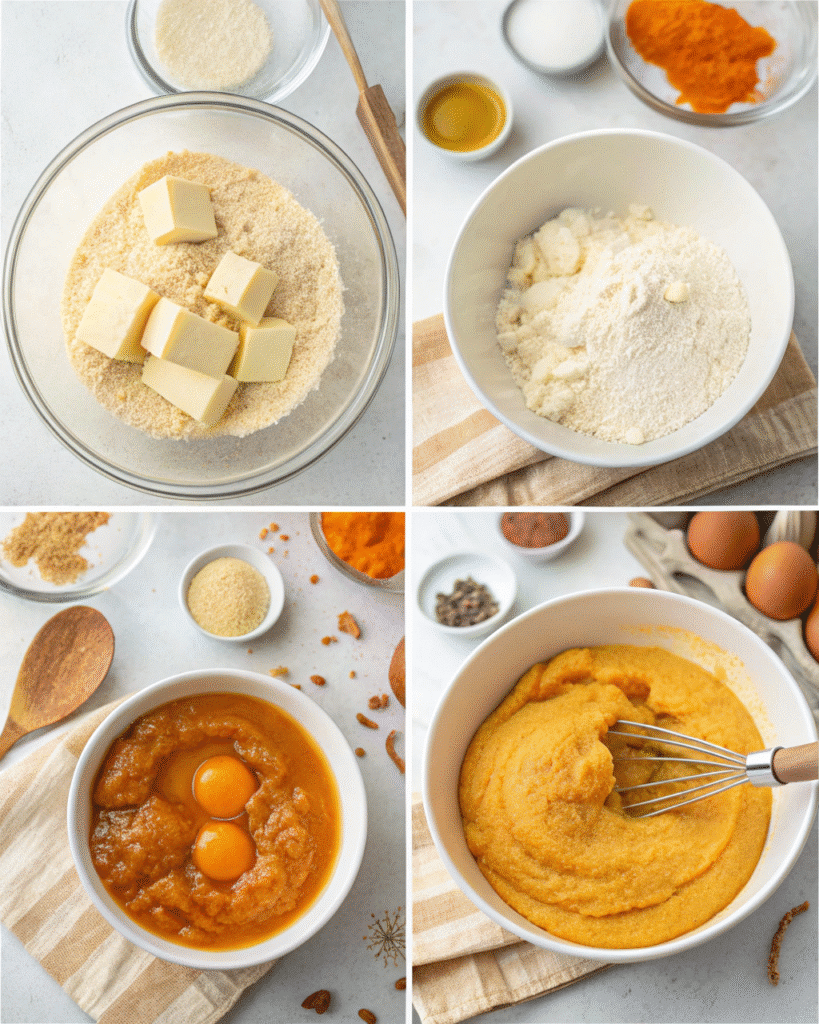
Simple method for moist, fluffy results
Start by preheating your oven and greasing your baking pan. In one bowl, whisk together the dry ingredients, making sure the flour, leavening, and spices are evenly combined. In another bowl, beat the pumpkin puree, eggs, sugar, and oil until smooth. Slowly add the dry ingredients into the wet mixture, stirring gently until just combined. Rest the batter for a few minutes, then pour it into the prepared pan. Bake until the top is golden and a toothpick inserted in the center comes out clean. The result is a gluten free pumpkin cake with a moist crumb and a soft, delicate rise.
Gluten Free Pumpkin Cake Variations
Dairy-free and vegan options
A classic gluten free pumpkin cake can easily be adapted for different dietary needs. To make it dairy-free, replace butter with neutral oil or a dairy-free margarine. Swap milk or buttermilk with almond milk, oat milk, or coconut milk. For a vegan version, eggs can be replaced with flaxseed or chia seed “eggs.” Pumpkin itself already contributes natural moisture, so these substitutions still produce a cake that’s tender, flavorful, and satisfying.
Fun add-ins for flavor and texture
Once you master the base recipe, you can get creative with mix-ins and toppings. Stirring in chocolate chips adds bursts of sweetness, while chopped walnuts or pecans give a satisfying crunch. A tangy cream cheese frosting turns the cake into a holiday showstopper, while a dusting of powdered sugar keeps it simple for everyday baking. No matter which variation you choose, your gluten free pumpkin cake will be a dessert that feels both customizable and timeless.
Store-Bought Mixes and Shortcuts
Convenience without sacrificing taste
Not everyone has the time to bake completely from scratch, and that’s where store-bought mixes come in handy. A boxed mix designed for gluten-free baking can save preparation time while still delivering a tasty gluten free pumpkin cake. Many of these mixes are balanced with flours and stabilizers that ensure a soft crumb and reliable texture. All you need to do is add wet ingredients like eggs, oil, and pumpkin puree to create a cake that tastes homemade.
Popular mixes worth trying
Trader Joe’s often features seasonal baking mixes, including pumpkin bread options, and some of them are gluten free. Other brands like King Arthur and Bob’s Red Mill also offer gluten-free pumpkin bread or spice cake mixes that work beautifully as a shortcut. With a few small adjustments, such as adding extra pumpkin puree or a pinch of cinnamon, these mixes can turn into a rich and moist gluten free pumpkin cake that feels freshly baked.
Popular Gluten Free Flour Brands for Pumpkin Cake
Trusted blends from well-known brands
A reliable flour blend can make or break a gluten free pumpkin cake. King Arthur Measure for Measure is a favorite among many bakers because it works as a 1:1 substitute for wheat flour, producing cakes that are moist and fluffy. Bob’s Red Mill 1-to-1 Baking Flour is another dependable choice, offering a balanced mix of rice flour, sorghum flour, and starches for structure. Both blends are easy to find in grocery stores and online, making them convenient options for home bakers.
Essential flours every baker should know
Beyond ready-made blends, there are individual gluten-free flours that every baker should keep in the pantry. Rice flour provides a neutral base, almond flour adds richness, and oat flour contributes natural sweetness and softness. When combined with pumpkin puree, these flours create a batter that bakes into a light and flavorful cake. Having these staples on hand allows you to customize your flour blend and adapt recipes for the perfect gluten free pumpkin cake every time.
Serving, Storing, and Pairing Ideas
Delicious ways to serve pumpkin cake
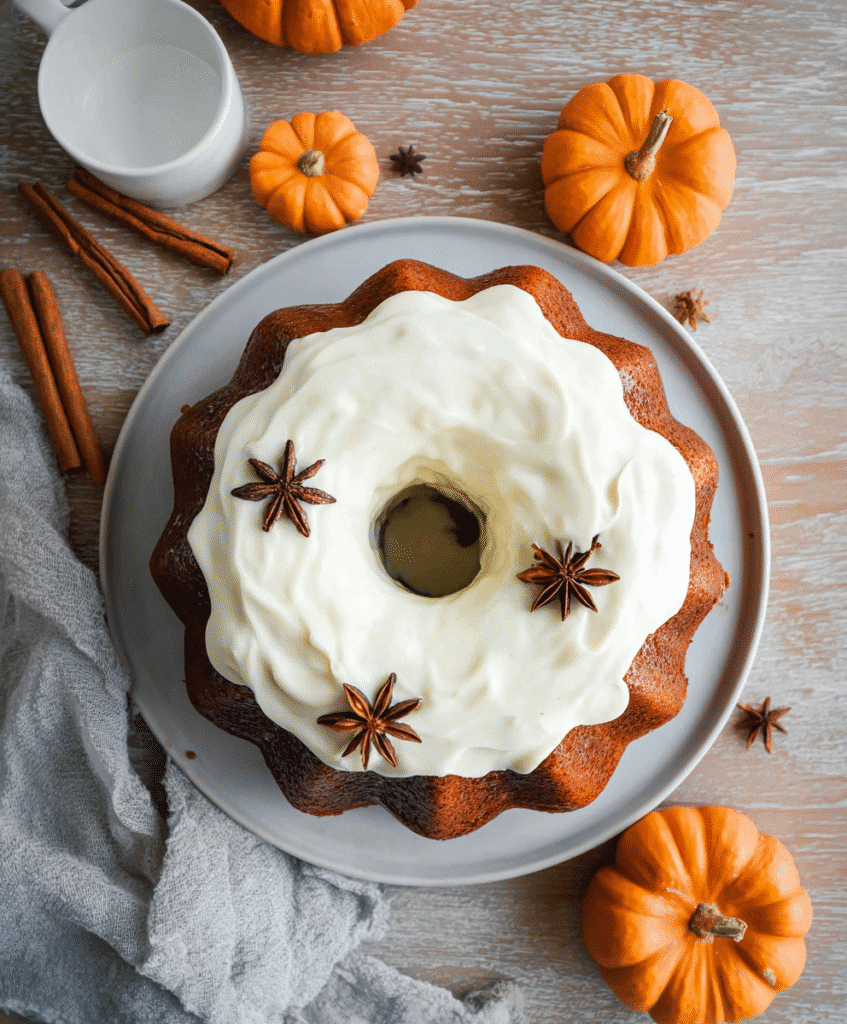
Presentation can make a gluten free pumpkin cake even more inviting. A classic option is topping it with cream cheese frosting, which pairs perfectly with the warm spices in the cake. For a lighter touch, dust the top with powdered sugar or drizzle with a simple glaze. Fresh whipped cream and a sprinkle of cinnamon also make an elegant finish. Whether served plain or dressed up, the cake is versatile enough for everyday snacking or holiday celebrations.
Best methods for storing and freezing
Keeping your cake fresh is just as important as baking it. Store leftover gluten free pumpkin cake in an airtight container at room temperature for up to three days. For longer storage, refrigerate it, especially if it’s frosted. You can also freeze the cake by wrapping individual slices in plastic wrap and placing them in a freezer bag. When ready to enjoy, thaw the slices at room temperature or warm them gently in the oven. These methods ensure that every slice tastes as moist and flavorful as the day it was baked.
Conclusion
Baking a gluten free pumpkin cake is proof that comfort food doesn’t need wheat to be moist, fluffy, and flavorful. With the right flour blend, a few baking tricks, and the natural richness of pumpkin puree, this cake delivers the same cozy texture and taste as traditional recipes. It’s versatile enough for a holiday dessert table yet simple enough for everyday baking.
Whether you top it with cream cheese frosting, enjoy it plain with coffee, or freeze slices for later, this cake holds its charm in every bite. If you’re inspired to try more seasonal gluten-free recipes, don’t miss our gluten-free biscuits and gravy for a savory classic or our gluten-free chocolate cupcakes for a sweet treat. With options like these, your gluten-free baking journey will always feel rewarding and delicious.
Follow us on Facebook & Pinterest for more gluten-free dessert ideas and community fun!
For more delicious gluten-free recipes, visit our website at The Savory Hearth.
Frequently Asked Questions About Gluten Free Pumpkin Cake
What flours work best for gluten free cake?
The best results come from blends that mix rice flour, sorghum flour, and starches such as tapioca or potato. These create structure while keeping the crumb light and moist.
What is the trick to gluten free baking?
Moisture and balance are key. Using pumpkin puree, eggs, and a stabilizer like xanthan gum prevents dryness, while accurate measurements and resting the batter improve texture.
Does Trader Joe’s have gluten free pumpkin bread mix?
Yes, Trader Joe’s often offers seasonal pumpkin bread mixes, and some are gluten free. They can be used as a shortcut to create a moist pumpkin cake with a few simple adjustments.
What is the closest gluten-free flour to all-purpose flour?
Gluten-free 1:1 baking blends are designed to replace all-purpose flour directly. Brands like King Arthur and Bob’s Red Mill are popular choices for consistent results.
How to get a gluten free cake to rise?
Use enough baking powder or baking soda, pair it with an acidic ingredient like buttermilk, and beat the eggs well to add air. Mixing gently also helps the cake rise evenly.
Does King Arthur gluten free flour work with yeast?
Yes, King Arthur’s gluten-free flour can work with yeast. While it’s best suited for quick breads and cakes, it also adapts well to certain yeast recipes when combined with binders.
What are the three gluten free flours?
The most common staples are rice flour, almond flour, and oat flour. Together, they create a balance of structure, flavor, and softness in gluten-free baking.