
Gluten-free pumpkin waffles bring back some of my fondest memories of autumn mornings. As a child, I’d sit in my grandmother’s kitchen, watching her pour pumpkin-spiced batter into a sizzling waffle iron. The aroma of cinnamon and nutmeg filled the air, and that first bite of crisp yet tender waffle felt like a warm hug on a chilly day. She never baked with gluten-free flours, but the love she put into each recipe taught me the value of food that comforts and connects. These waffles will always bring seasonal joy to the table. Don’t miss our gluten-free pumpkin cake for another cozy fall favorite.
Today, I recreate those same flavors with gluten-free pumpkin waffles that are just as fluffy, golden, and flavorful as the traditional kind. Pumpkin puree keeps the texture moist, while the spices give every bite a taste of fall. Whether you’re making them for a cozy weekend breakfast, a holiday brunch, or freezing a batch for busy mornings, these waffles will always bring seasonal joy to the table.
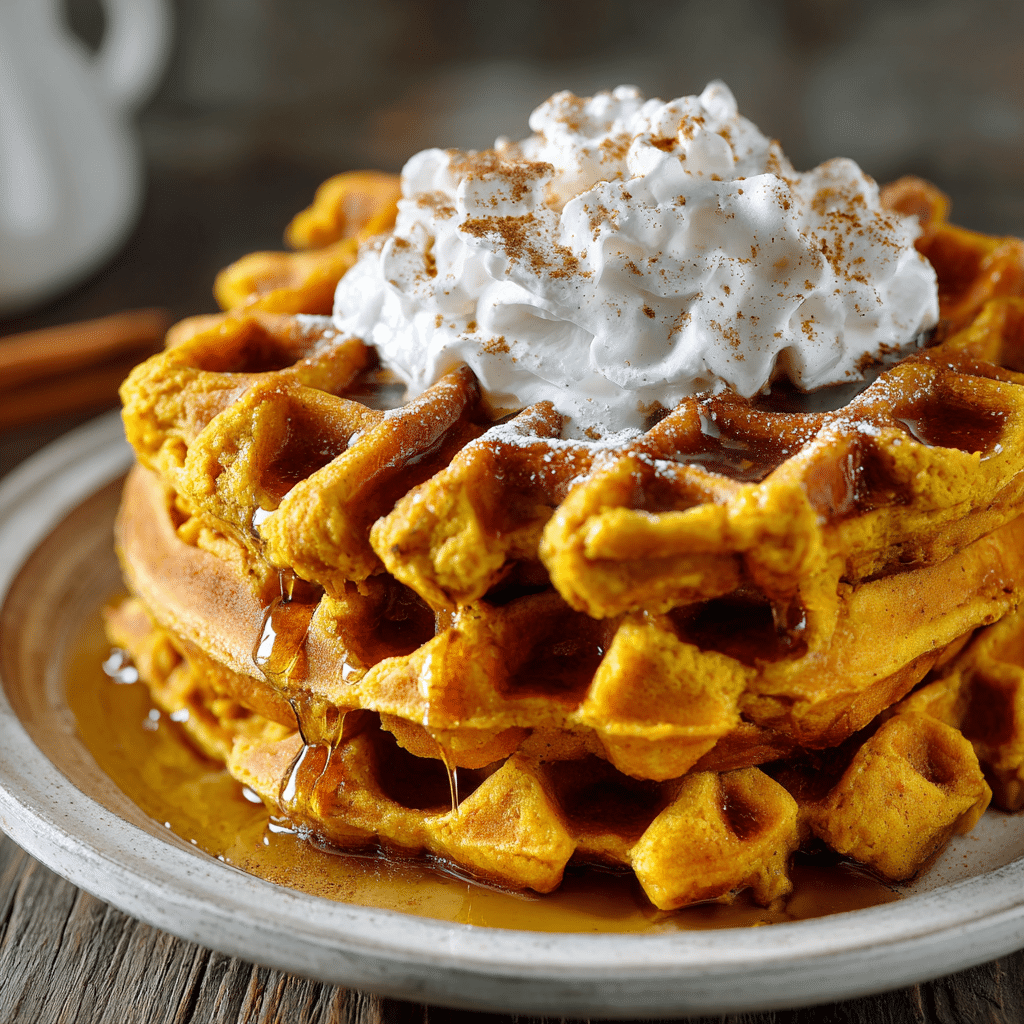
Table of Contents
Table of Contents
Introduction to Gluten-Free Pumpkin Waffles
What makes gluten-free pumpkin waffles special?
The magic of gluten-free pumpkin waffles lies in the balance between comfort and practicality. Unlike many gluten-free breakfasts that turn out dry or crumbly, these waffles stay moist and fluffy thanks to the pumpkin puree. That natural richness adds body to the batter and makes the texture almost indistinguishable from traditional waffles. The spices—cinnamon, ginger, and nutmeg—layer warmth into every bite, giving them the unmistakable taste of fall.
For families managing gluten sensitivities, these waffles mean no one has to skip out on the seasonal joy of a stack dripping with maple syrup. Check out our gluten-free pancake recipe for a classic breakfast that pairs perfectly with pumpkin season.
Why fall flavors pair perfectly with waffles
Autumn flavors and waffles belong together. The sweetness of pumpkin blends seamlessly with the caramel notes of maple syrup, while toasted pecans or walnuts add crunch. The waffle iron itself does some of the work, crisping the edges while locking in the soft, spiced center. That contrast—crispy on the outside, tender on the inside—is what makes waffles so comforting. Add a dollop of whipped cream or a drizzle of honey, and you’ve got a dish that feels both nostalgic and festive.
Key Ingredients in Gluten-Free Pumpkin Waffles
Best flours for gluten-free waffle recipes
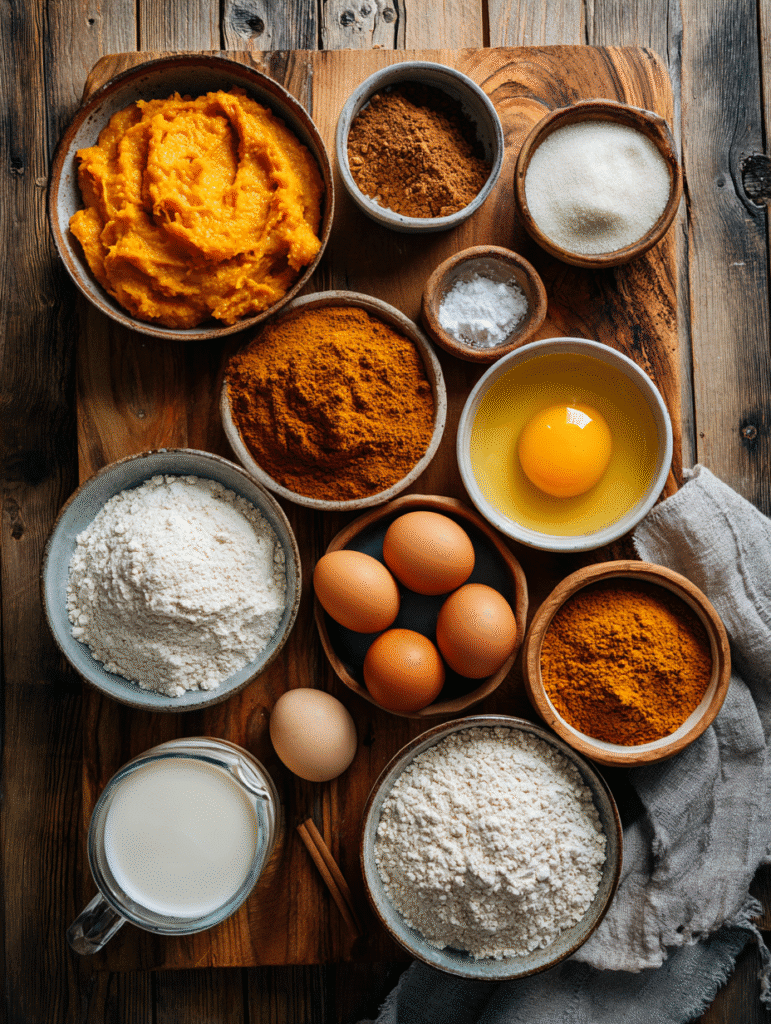
The flour blend you choose can make or break your gluten-free pumpkin waffles. A good mix should provide both structure and softness without leaving a gritty texture. Rice flour, almond flour, and oat flour are common choices, but most bakers prefer a high-quality gluten-free all-purpose blend. These blends usually combine rice flour, tapioca starch, and potato starch to mimic the balance of wheat flour.
Some even include xanthan gum, which helps bind the batter. Learn more about building structure in bakes with gluten-free sourdough bread — it’s a great benchmark for crumb and chew.
Pumpkin puree and spices for rich flavor
Pumpkin puree isn’t just about flavor—it’s the ingredient that keeps your waffles moist and tender. Canned pumpkin works wonderfully, but if you have time to roast and mash fresh pumpkin, you’ll taste an even deeper sweetness. Pairing the puree with warm spices is what gives these waffles their seasonal charm. Cinnamon brings sweetness, nutmeg adds depth, ginger provides a little heat, and cloves round it out with earthiness. Together, they transform a simple waffle into a cozy fall breakfast. To take it up a notch, add a splash of vanilla extract or a pinch of brown sugar for caramel-like richness.
How to Make Gluten-Free Pumpkin Waffles
Step-by-step cooking process
Making gluten-free pumpkin waffles at home is easier than it looks, and with the right method you’ll always get fluffy, golden results. Begin by whisking together a gluten-free flour blend, baking powder, baking soda, and a small pinch of salt. In a separate bowl, stir pumpkin puree, eggs, milk or almond milk, melted butter, and vanilla extract until smooth. Slowly add the dry mixture into the wet bowl and fold gently until combined. Don’t overmix—the batter should stay light and airy.
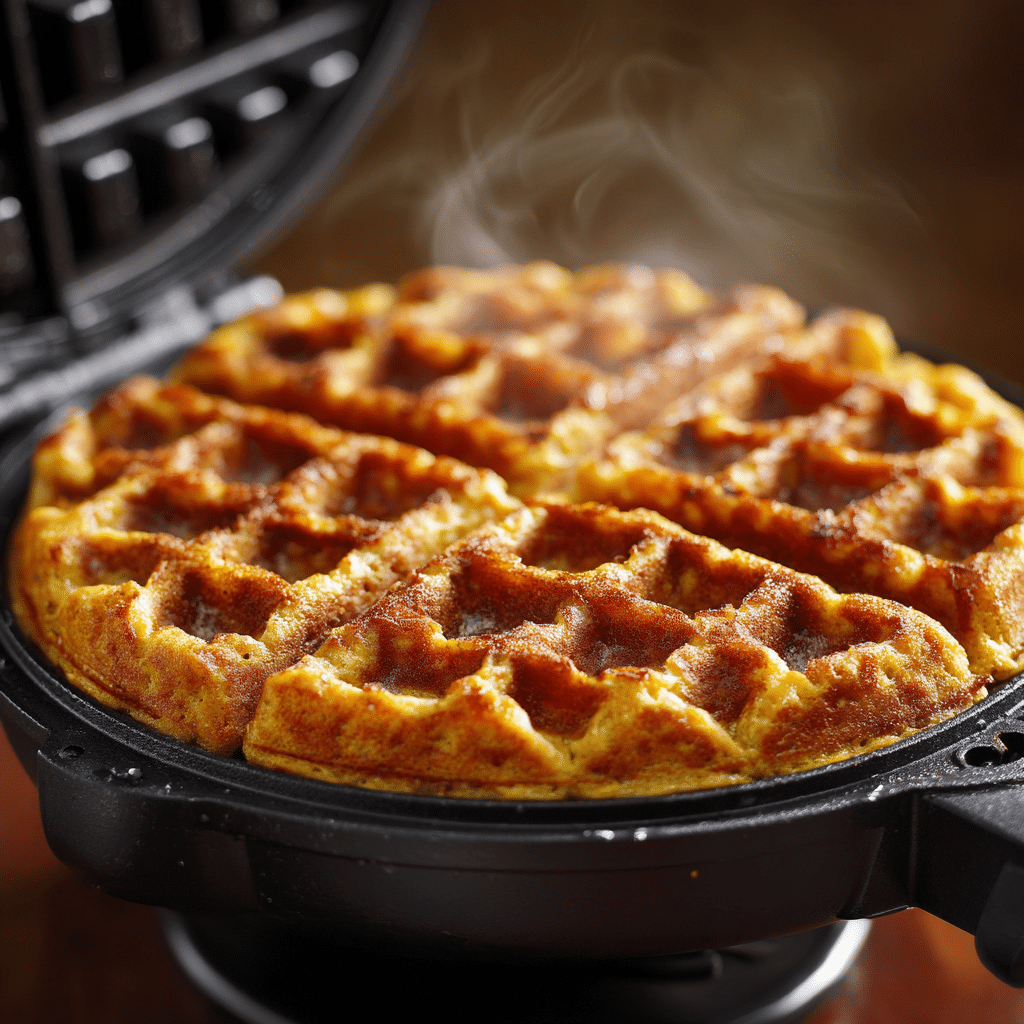
Heat your waffle iron, brush it with a little oil or nonstick spray, then pour in the batter. Cook for 3–5 minutes until the waffles are crisp at the edges and soft inside. Serve right away with maple syrup, whipped cream, or toasted pecans.
Looking for inspiration? Try these super simple easy 4-ingredient gluten-free biscuits to round out a hearty brunch.
Tips for perfect texture and crisp edges
The secret to tender gluten-free pumpkin waffles is resting the batter. Give it five minutes before cooking so the flour blend absorbs moisture, creating a lighter bite. For waffles with crunchier edges, mix in a spoonful of cornstarch or extend the cooking time slightly on medium-high heat. Coconut oil or avocado oil works well if you prefer a dairy-free option. Another great trick is making extra and freezing them—once cooled, store waffles in freezer bags and reheat in a toaster for a quick, cozy breakfast. This way, you can enjoy the taste of fall any day of the week.
Tricks for Successful Gluten-Free Baking
Getting gluten-free waffles to rise well
One of the biggest challenges when making gluten-free pumpkin waffles is getting them to rise without wheat flour. The solution lies in your leavening agents and mixing method. Use both baking powder and baking soda to give the batter enough lift. Eggs also play a vital role by adding structure and helping the waffles hold their shape. Be careful not to overmix—too much stirring breaks down air bubbles, leaving waffles flat and heavy. For an extra boost, separate the egg whites, whip them until soft peaks form, and fold them gently into the batter. This simple trick makes your waffles extra fluffy, with that bakery-style lift every home cook wants.
Discover great ideas like the kitchen-friendly seasoning tip in pink salt trick to fine-tune flavor without over-salting batter or toppings.
Avoiding dryness in gluten-free batters
Gluten-free batters can sometimes lean dry, but pumpkin puree naturally solves part of that issue. Its moisture helps the waffles stay tender inside. To keep that balance just right, use the correct ratio of wet to dry ingredients—too much flour makes the batter dense, while too much liquid prevents crisping. A touch of oil or melted butter gives richness, while milk or a dairy-free alternative adds softness. If you want your waffles extra moist, try adding a spoonful of applesauce or Greek yogurt. The result is a stack of gluten-free pumpkin waffles that tastes indulgent but still feels light.
Check out our technique primer on gluten-free roux to master thick, smooth sauces for savory waffle toppers.
Best Gluten-Free Flour Blends for Waffles
Popular flour mixes: almond, oat, rice
The flour blend you choose is the backbone of gluten-free pumpkin waffles. Almond flour brings a nutty flavor and moisture, oat flour gives a mild taste with extra fiber, and rice flour keeps the batter light. Many bakers prefer to combine these flours, as each one balances the others. For instance, pairing almond flour with rice flour creates a waffle that’s both fluffy and sturdy. If you’re aiming for extra crispness, a touch of tapioca starch works wonders. Experimenting with small batch blends allows you to find the texture and flavor your family enjoys most.
Closest substitute to all-purpose flour
If you’re looking for convenience, high-quality all-purpose gluten-free flour blends are the best option. They’re designed to mimic wheat flour and usually include a mix of rice flour, potato starch, tapioca starch, and xanthan gum. This combination delivers structure, elasticity, and softness without the wheat. Some brands are even labeled “cup-for-cup,” meaning you can replace regular flour in recipes without extra adjustments. When used in gluten-free pumpkin waffles, these blends create a batter that’s easy to work with and yields golden, crisp waffles with a soft interior.
Variations and Serving Ideas
Topping ideas: maple syrup, whipped cream, nuts
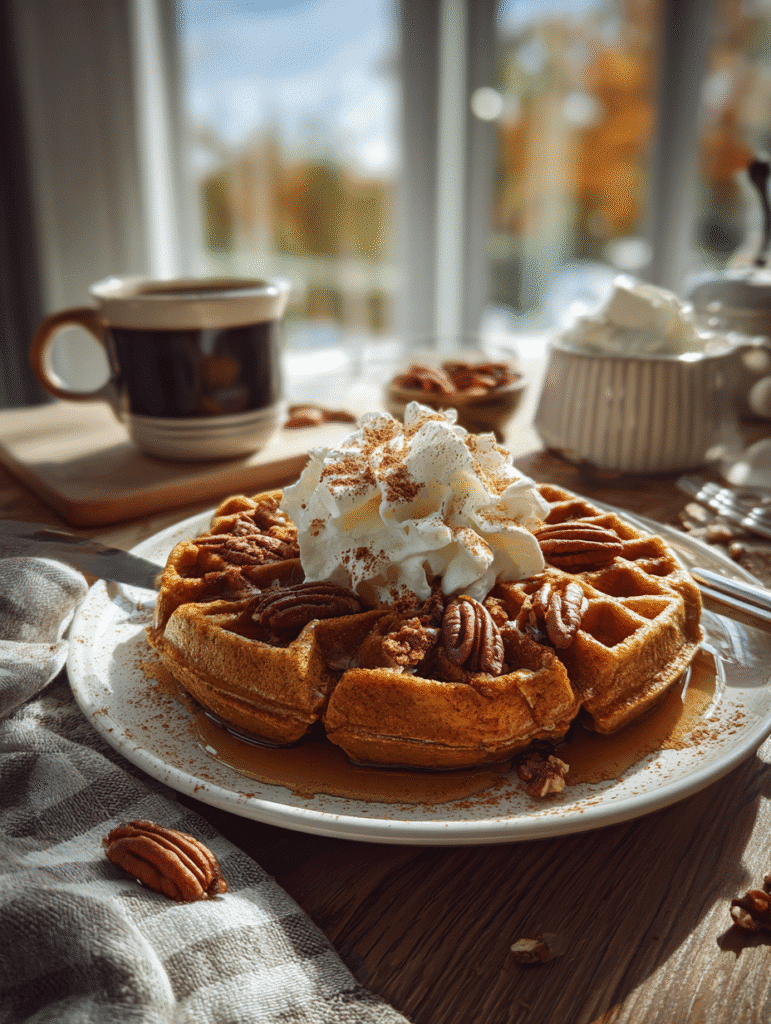
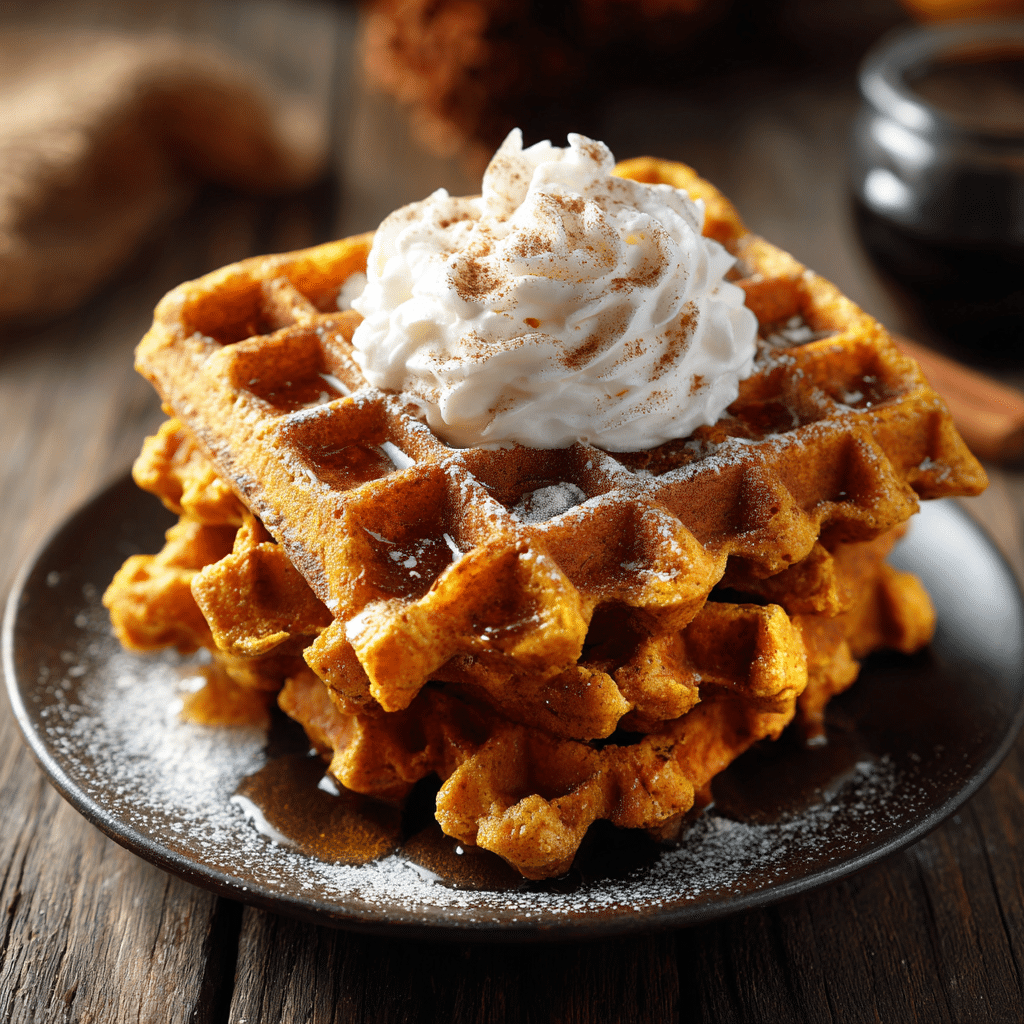
A plate of gluten-free pumpkin waffles becomes unforgettable when you add the right toppings. Maple syrup is the classic choice—it pairs beautifully with pumpkin and spices. For extra indulgence, top waffles with freshly whipped cream or a dollop of Greek yogurt for a tangy twist. Toasted pecans or walnuts add crunch and warmth, while chocolate chips bring sweetness kids will love. For a seasonal spin, scatter pomegranate seeds or drizzle with caramel sauce to create a festive holiday breakfast. These simple additions turn an everyday waffle into something worthy of a weekend brunch.
Savory twist on pumpkin waffles
Not every waffle has to be sweet. Gluten-free pumpkin waffles also shine with savory toppings. Try pairing them with fried eggs, turkey bacon, or a slice of sharp cheddar cheese for a hearty breakfast. You can even serve them alongside roasted chicken or soup for a creative dinner idea. The pumpkin flavor blends well with herbs like rosemary and thyme, so sprinkling a bit into the batter transforms the waffles into a savory base. This flexibility makes them more than just a breakfast option—they can become a fun side dish for family meals.
Comparing Store-Bought and Homemade Options
Trader Joe’s gluten-free pumpkin bread mix review
Many shoppers turn to Trader Joe’s for seasonal baking mixes, and their pumpkin bread mix often sparks curiosity. While it’s not a dedicated waffle mix, some home cooks use it to make quick gluten-free pumpkin waffles. The flavor is rich and spiced, but the texture may lean softer than traditional waffles. You’ll also want to check the ingredient list, as not all seasonal mixes are certified gluten-free every year. If you enjoy experimenting, you can adapt the mix by adding eggs, milk, and oil, then cooking it in your waffle iron. It’s a fast option, though not as customizable as making waffles from scratch.
King Arthur gluten-free flour in waffle recipes
When it comes to trusted brands, King Arthur’s gluten-free flour blend is a favorite for many bakers. It’s designed as a cup-for-cup replacement for regular flour, making it convenient for recipes like gluten-free pumpkin waffles. The blend includes rice flour, potato starch, and xanthan gum, which help create structure and softness. In waffles, it delivers a crisp outside and tender inside without a gritty texture. While it may cost more than generic flour blends, the consistent results make it worth the investment. For those who prefer the homemade route, using this flour in your own recipe ensures control over flavors and sweetness.
Storage, Freezing & Meal Prep
How to store leftover waffles
Freshly made gluten-free pumpkin waffles taste best straight from the waffle iron, but leftovers store well if handled properly. Let them cool completely before placing them in an airtight container. At room temperature, they’ll stay fresh for about a day, but the refrigerator extends that to three days. If stacking waffles, place a piece of parchment paper between each to prevent sticking. When reheating, use a toaster or oven instead of the microwave. This brings back the crisp edges while keeping the inside soft, so the waffles taste almost as good as freshly made.
Freezing and reheating tips
Freezing is a smart way to meal prep gluten-free pumpkin waffles for busy mornings. After cooking, let the waffles cool and then arrange them in a single layer on a baking sheet. Once frozen, transfer them into freezer bags with parchment between layers. They’ll last for up to three months. To reheat, pop them in the toaster or warm them in a 350°F oven for about 10 minutes. This method keeps them crisp outside and fluffy inside, unlike microwaving, which can leave them soggy. Freezing also makes it easy to portion, so you can enjoy one waffle at a time without defrosting the entire batch.
Conclusion
Gluten-free pumpkin waffles prove that comfort food doesn’t have to be complicated or limited by dietary needs. With the right flour blend, pumpkin puree, and a few baking tricks, you can enjoy waffles that are crisp on the outside, soft on the inside, and packed with the warm spices of fall. They’re versatile enough for sweet or savory toppings, easy to store or freeze, and perfect for everything from weekend breakfasts to holiday brunch tables.
The beauty of making them at home is that you’re in control. You can adjust the sweetness, play with toppings, or even experiment with savory twists. Every bite carries the cozy flavors of autumn, while still being safe for gluten-sensitive friends and family.
If you’ve been searching for a way to bring both nostalgia and flavor to your breakfast table, gluten-free pumpkin waffles are the answer. So dust off that waffle iron, grab your pumpkin puree, and make a batch that will remind you just how delicious gluten-free baking can be. Don’t miss our gluten-free vanilla cupcakes for a simple, sweet treat to finish your fall brunch.
Follow us on Facebook & Pinterest for more gluten-free dessert ideas and community fun!
For more delicious gluten-free recipes, visit our website at The Savory Hearth.
FAQs About Gluten-Free Pumpkin Waffles
What flours work best for gluten-free cake and waffles?
For light and fluffy gluten-free pumpkin waffles, the best options are rice flour, almond flour, and oat flour. When combined with starches like tapioca or potato, they mimic the structure of wheat flour while keeping the texture soft. High-quality all-purpose gluten-free blends are also a reliable choice.
What is the trick to gluten-free baking?
The trick is balancing moisture and structure. Pumpkin puree naturally adds softness to gluten-free pumpkin waffles, while xanthan gum or psyllium husk helps bind ingredients. Resting the batter before cooking also improves the texture, making the waffles rise better.
Does Trader Joe’s have gluten-free pumpkin bread mix?
Yes, Trader Joe’s offers a pumpkin bread mix that some bakers use for gluten-free pumpkin waffles. However, the texture may differ from homemade versions. Always check the label to confirm gluten-free certification.
What is the closest gluten-free flour to all-purpose flour?
Blends labeled “cup-for-cup” or “1:1” are the closest substitutes. These flours make gluten-free pumpkin waffles easier to prepare since they can replace wheat flour without extra adjustments. King Arthur and Bob’s Red Mill are popular choices.
How to get a gluten-free waffle to rise?
Use a mix of baking powder and baking soda, along with eggs for structure. For extra lift in gluten-free pumpkin waffles, whip the egg whites separately and fold them gently into the batter. This adds air and creates a lighter texture.
Does King Arthur gluten-free flour work with yeast?
Yes, King Arthur gluten-free flour works with yeast, making it versatile for breads and waffles alike. While gluten-free pumpkin waffles don’t need yeast, this flour is dependable for other recipes requiring a rise.
What are the three main gluten-free flours?
The three most common are rice flour, almond flour, and coconut flour. Each brings a different texture and flavor to recipes like gluten-free pumpkin waffles, and many bakers combine them with starches for best results.